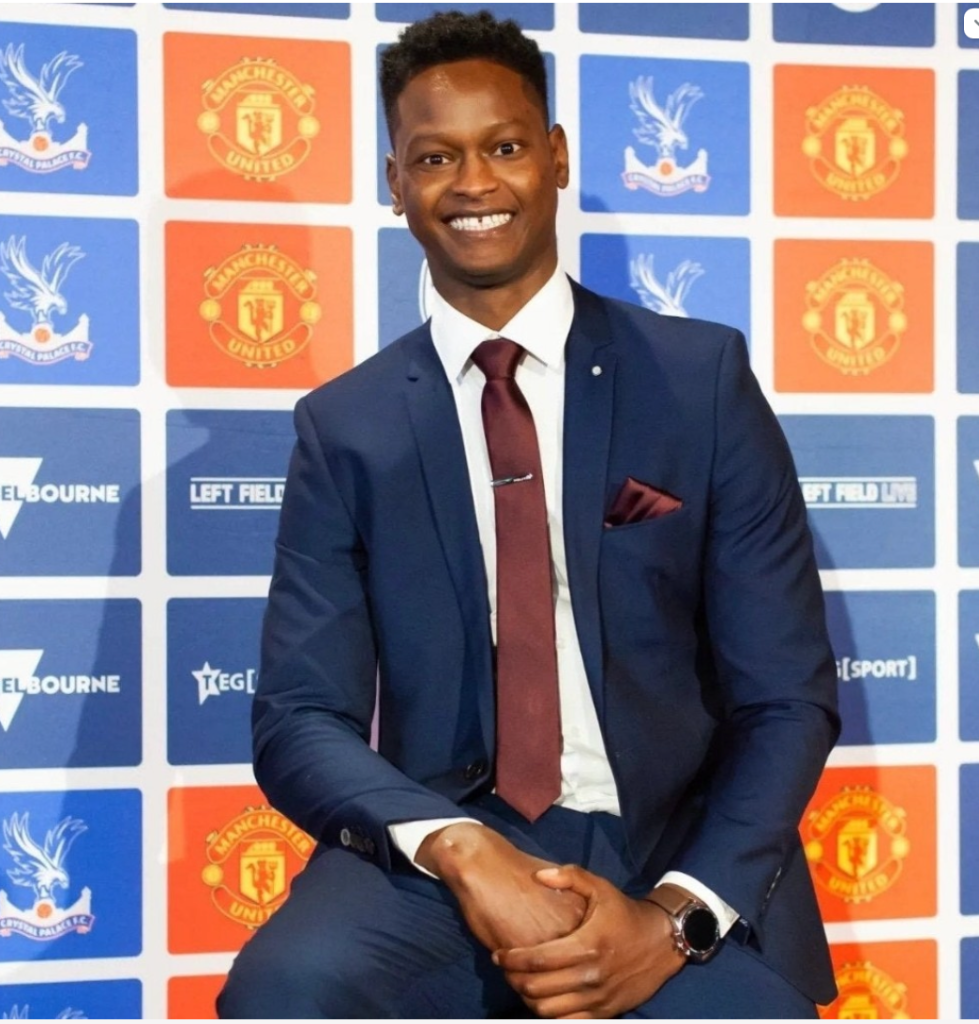
The voters of Florida rendered their verdict on Tuesday night, and it was unmistakable: Byron Donalds, the congressman-turned-gubernatorial contender boosted by President Donald Trump, cruised to a commanding victory in the state’s Republican primary, dispatching a sprawling field of 10 rivals with a polish that surprised even seasoned operatives in Tallahassee.
With 49% of the vote, Mr. Donalds, 47, nearly doubled the tally of his closest pursuer, Lt. Gov. Jay Collins, who finished at 24.7%. Far behind them, former investor James Fishback took 10.1% and former state House Speaker Paul Renner claimed 8.2%, the two men locked in a distant battle for the bronze as the night wore on.
The result ratified what the polls had foretold for the better part of a year. Since October, Mr. Donalds had run more than 30 percentage points ahead of his challengers in the RealClearPolitics average, a margin so persistent that the primary’s central question had long since shifted from who would win to how large the mandate would be.
A quiet endorsement, and a louder silence
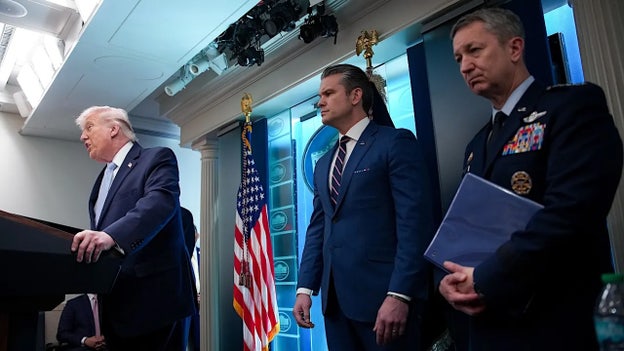
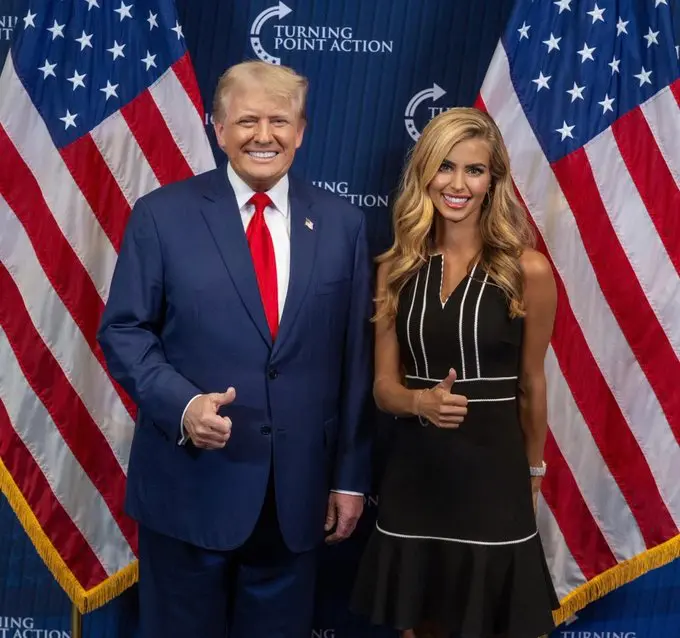
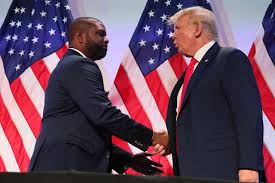
Mr. Donalds’s ascent was underwritten by the imprimatur of the president, whose endorsement lent the congressman the kind of institutional gravity that Republican primary voters in Florida have reliably rewarded. What was nearly as notable, however, was the silence of the man whose office Mr. Donalds now seeks to inherit.
Term-limited Gov. Ron DeSantis pointedly declined to back any candidate in the race to replace him — not even his own lieutenant governor, Mr. Collins, who ran with the implicit promise of continuity from an administration he had served since the beginning. The governor’s neutrality, in a state where his political brand remains formidable, left the field without a clear standard-bearer of the party’s establishment wing and effectively ceded the race’s center of gravity to Mr. Donalds and his Trump-aligned coalition.
The Fishback sideshow
If Mr. Donalds ran a campaign of disciplined composure, the same could not be said of the contender who generated the most headlines. James Fishback, a 31-year-old former investor, seized the race’s attention with a string of inflammatory pronouncements that tested the outer limits of political discourse even in an era accustomed to them.
Mr. Fishback accused Mr. Donalds of wanting to turn Florida into a “Section 8 ghetto,” threatened to dispatch civilians armed with AR-15 rifles to quell teen unrest, and assailed his opponent’s pro-Israel stance and acceptance of donations from pro-Israel political action committees — dubbing him “AIPAC Shakur,” a nod to the late rapper Tupac Shakur, as well as a “token black” and a “slave to his donors.” He even joined the dating app Tinder, ostensibly to meet young female voters, years after a Florida school district severed ties with him in 2022 over an alleged inappropriate relationship with a minor student, as NBC News reported.
Through it all, Mr. Donalds offered little more than a shrug. “If you want to be ignorant, you’re allowed to be,” he said of his younger rival’s broadsides — a posture that, in the end, voters appeared to reward.
A financial fortress
Mr. Donalds’s victory was built on more than message discipline. His campaign, together with the committees backing his bid, raised more than $100 million — a war chest that now pivots, in its entirety, toward the general election and the contest with Democratic nominee David Jolly.
Mr. Jolly, who served in the U.S. House as a Republican from 2014 to 2017, has traveled an uncommonly winding road to his present candidacy. He left the Republican Party in 2018 to register as an independent, joined Andrew Yang’s Forward Party in 2022, and by 5 years later — as a regular pundit on the left-leaning MS NOW — had re-registered as a Democrat to mount his run for governor.
The ideological journey gives Mr. Jolly a biography unlike any other candidate on the November ballot, and it offers Mr. Donalds a ready-made line of attack: that his opponent is a man of shifting convictions in search of an office to hold.
A milestone within reach
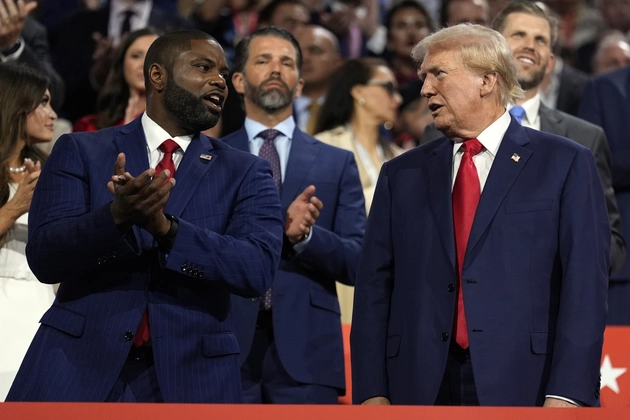
If Mr. Donalds prevails in November, he will become Florida’s first black governor and its fifth consecutive Republican chief executive — a streak of dominance that has come to define the political identity of a state once regarded as the country’s premier battleground.
The last Democrat to hold the office was Buddy MacKay, who departed in January 1999. In the 27 years since, Florida has tilted ever further into the Republican column, and Mr. Donalds’s commanding primary performance suggests that trajectory is, for now, undisturbed.
For a candidate who began the race as a favorite and ended it as a nominee, the larger test now begins: converting a primary mandate built on party loyalty and presidential favor into the broader coalition a November victory demands.