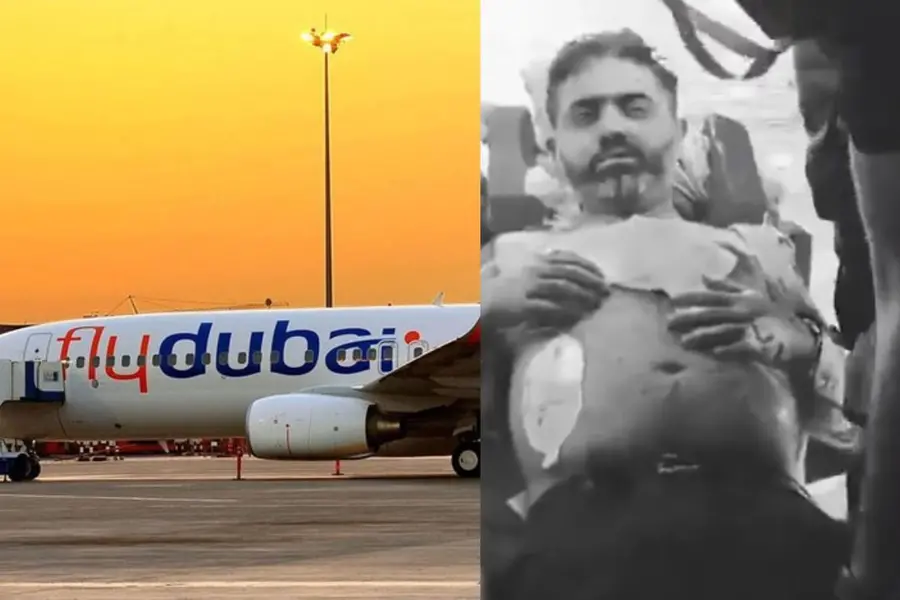
It was supposed to be a routine overnight hop from Dubai to Tel Aviv. Instead, Flight FZ1073 became the kind of nightmare that pilots train for but pray they never see, a cockpit turned into a crime scene at 35,000 feet, a co-pilot allegedly turned attacker, and a captain bleeding on the floor who refused to let the plane go down.
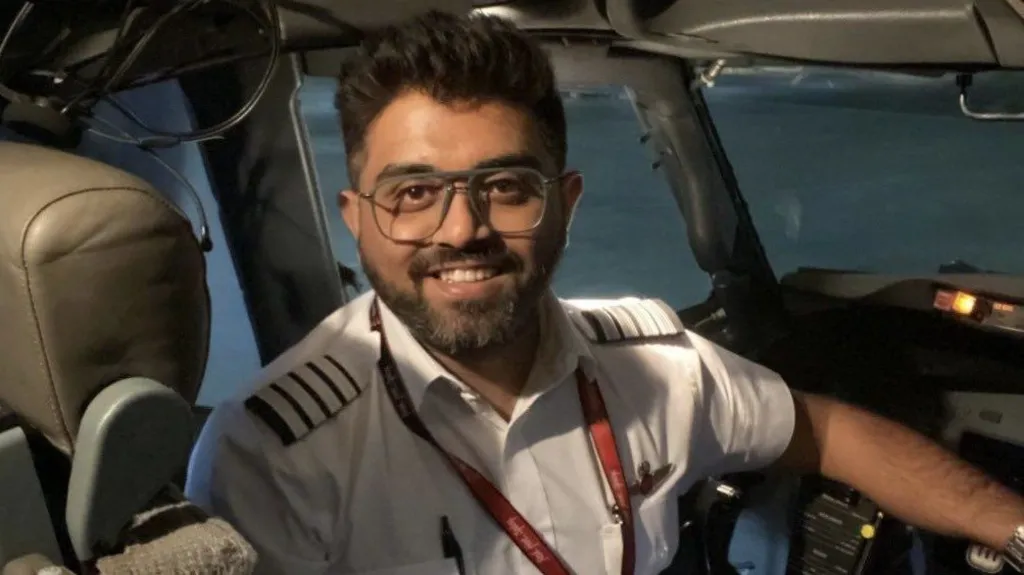
Now, the man at the center of it all is speaking out. And what Captain Smit Machchhar has to say is nothing short of extraordinary.
"I was lying on the floor injured but I told myself to go for one last push to open the door from inside," Machchhar said, recounting the moment he realized the aircraft carrying more than 170 passengers was sinking and he had to do something, anything, to stop it.
"Others came in and also played a role [in controlling the situation]. I was of course fighting for my own life but at the same time I knew I was not going to let others die."
A Nightmare at 35,000 Feet
The drama began two and a half hours into Wednesday's early-morning flight. The Boeing 737, bound for Tel Aviv from Dubai, suddenly plunged more than 17,000 feet, roughly 5,200 meters, in a terrifying descent that set off alarm bells from Riyadh to Jerusalem.
The crew first sent an emergency signal to air traffic controllers. Then came the chilling switch to code squawk 7500, the international transponder signal that tells every radar screen on the planet the same thing: hijacking.
Israeli Prime Minister Benjamin Netanyahu later told reporters that one pilot had stabbed the other before "apparently trying to crash" the plane. The details are still emerging, but the picture is already harrowing: a trusted colleague, a confined cockpit, a blade, and a plan that, but for one man's will, could have ended in catastrophe.
The Man Who Wouldn't Quit
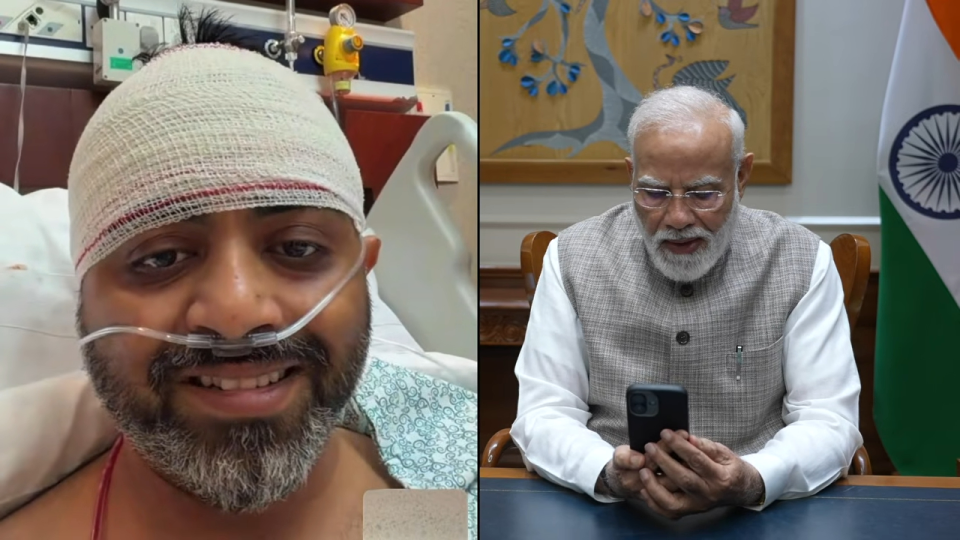
Machchhar, an Indian national with 17 years behind the yoke, says he can read a plane the way a doctor reads a heartbeat. "I can tell what is happening to the plane even with my eyes closed," he told Indian Prime Minister Narendra Modi in a video call that has since gripped the nation.
Injured, disoriented, and under attack, the captain made the call that would define the flight. He reached for the cockpit door and opened it from the inside, allowing passengers and two off-duty reserve pilots who happened to be aboard to rush in and overpower the alleged attacker.
Those reserve pilots, themselves travelling as passengers, then took the controls and guided the stricken jet to a safe landing at Tabuk Airport in northwestern Saudi Arabia at 6:58 a.m. local time. All 170-plus souls on board walked away alive.
'A True Hero'
Netanyahu didn't mince words. He called Machchhar a "true hero." And across India, from newsrooms to social media feeds, the praise has been deafening.
Modi told the pilot his "courage, patience and quick decision-making saved the lives of so many people" and that the whole country was proud of him. It's the kind of moment that stops a nation in its tracks, a son of India, bleeding for strangers thousands of miles from home, and choosing to fight.
The Indian embassy in the UAE confirmed Thursday that Machchhar was "in good health and recovering well" after being airlifted from a hospital in Tabuk to Abu Dhabi. Ambassador Deepak Mittal said he was "proud of Capt Smit for his bravery" and "very reassured" to meet him.
The Long Road Back
For Machchhar, the recovery is just beginning, and he knows it. But in a remarkable display of grit, he's framing the fight ahead the same way he framed the one in the cockpit: as something he intends to win.
"I am not looking at this wound like a wound because that would make my recovery even more difficult," he said. "I am looking at it as a journey which is slowly going on and will take time but I am confident that the recovery will be there and I will become fit and healthy again."
It's the voice of a man who stared down death at altitude and chose life, not just for himself, but for every single person on that plane. And in an age of headlines that too often end in tragedy, that's a story worth telling.
Flydubai has yet to release a full statement on the alleged attack. The co-pilot, whose identity has not been officially confirmed, remains in custody in Saudi Arabia pending investigation.
But for the 170 passengers who walked off that jet in Tabuk, and for a nation now rallying behind a quiet hero, the facts of what happened Wednesday morning matter less than the outcome: they are alive, because one man refused to let them die.