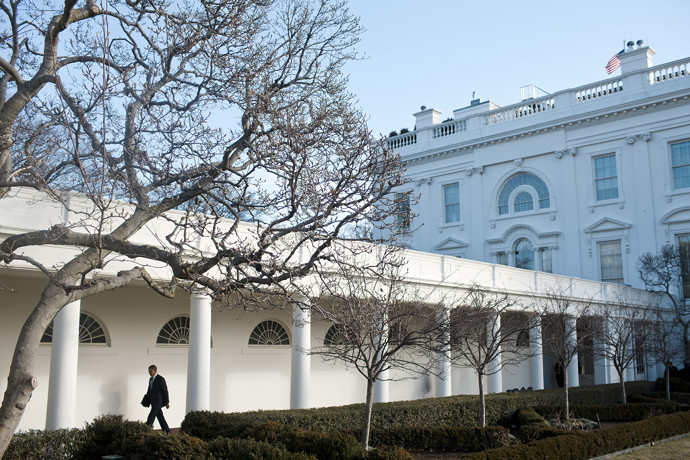
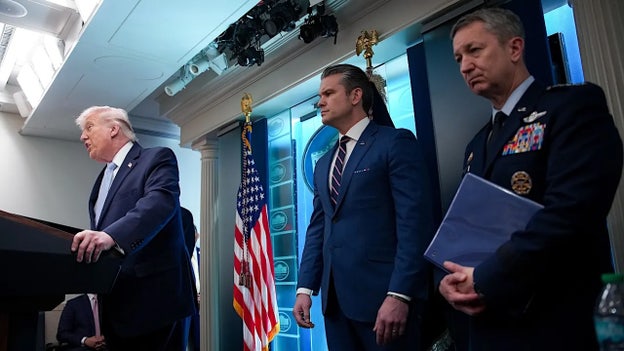
The West Wing is emptying out. With the midterm elections five weeks away, a wave of senior departures from the Trump White House is reshaping an administration already straining under the weight of an overseas war, a softening economy, and a Republican Party that some of its own operatives now describe, in private, as bracing for "Armageddon" at the ballot box.
Press Secretary Karoline Leavitt, White House Counsel David Warrington, Director of National Intelligence Tulsi Gabbard, and Deputy White House Chief of Staff James Blair have all left in recent months, according to people familiar with the matter. Leavitt and Blair have since migrated to MAGA Inc., the president's outside political operation, a move that current and former officials describe as a telling signal of where the action, and the job security, now lies.
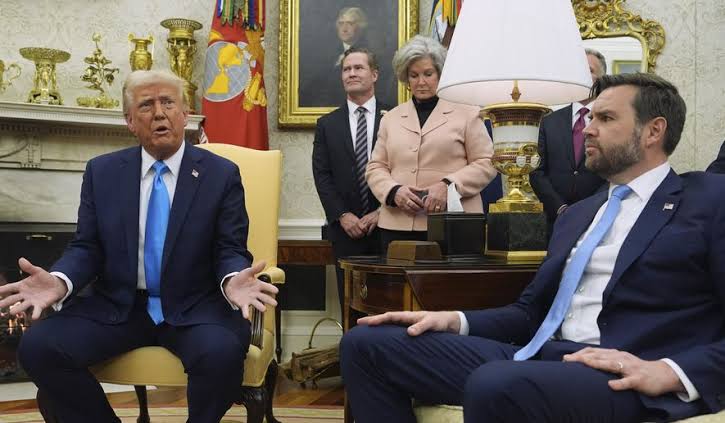
The exits extend well beyond the senior ranks. Army Secretary Dan Driscoll, U.S. Pardon Attorney Ed Martin, Legislative Affairs Director James Braid, and Deputy National Security Adviser Andy Baker have all departed. Andrew Bailey, Ryan Baasch, and Paige Willey have announced plans to leave their posts. The White House press operation has shed several aides since August, with Press Assistant Ellie Acra expected to depart Washington before her wedding.
A Brookings Institution analysis found that 56% of President Donald Trump's senior Executive Office staff had turned over by Sept. 30, a rate that outpaces the 40% turnover recorded during President Biden's first two years, though it remains below the 66% mark of Mr. Trump's first term. The numbers, while not unprecedented, are landing at a moment when the administration can least afford the disruption.
Burnout, and a Look Toward the Exit
Former officials who have left the administration point to a constellation of pressures driving the exodus. The first is sheer workload. White House aides describe days that begin before dawn and end well past midnight, with little room for vacation, family, or the kind of recovery that sustains a career in government. Several said the pace had become unsustainable, particularly as the Iran war has consumed the national security apparatus and pushed domestic policy into the margins.
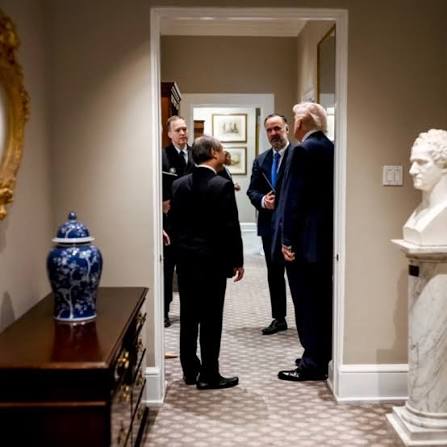
The second pressure is more political, and more pointed. With Democrats favored to reclaim at least one chamber of Congress, administration officials are quietly preparing for the investigative machinery that would follow. Former aides told WIRED that the White House is beginning to panic over the midterms, not only because of the electoral math but because a Democratic majority would unleash a torrent of subpoenas, hearings, and legal exposure that could outlast the administration itself.
That fear is reshaping career decisions across the government. Republican staffers, several former officials said, are racing to lock down private-sector positions before November, calculating that their access to federal employment, and the prestige that attaches to a West Wing title, will depreciate sharply if Democrats take power. One former official described Nov. 3 as a hard ceiling: the date by which aides want to be safely out the door and into lobbying firms, trade associations, or corporate boards.
Fault Lines Inside the Coalition
The departures are also surfacing deeper fissures within the MAGA coalition. Concerns about the administration's direction, voiced by former officials who spoke on the condition of anonymity, center on three threads: the open-ended war with Iran, persistent inflation that has eroded household purchasing power, and visible divisions between the populist and establishment wings of the Republican base.
Those tensions have been compounded by a legislative record that, in the final stretch before the election, has disappointed even the party's own members. Congressional Republicans spent their last working days before the recess pushing a slate of measures designed to signal seriousness on affordability, a stock-trading ban for lawmakers, and legislation targeting data-center energy costs. Both stalled. The New York Times reported that the failure to advance those proposals left Republican leaders with little to show voters anxious about food, fuel, and housing costs.
The economic backdrop is bleak. A recent Wall Street Journal poll put Mr. Trump's approval rating at 37%, a watermark that has rattled down-ballot Republicans and intensified the private hand-wringing among senior staff. Several former officials said the approval slide has reinforced a sense that the political winds have shifted against the administration, and that those who remain risk being associated with a losing cause.
A White House Pushes Back
The White House has pushed back against the narrative of a hollowed-out staff. Spokeswoman Taylor Rogers said the president's political movement extends well beyond any individual aide, and that departures are a normal feature of any administration approaching the midpoint of a term. Spokesman Davis Ingle added that Mr. Trump's agenda remains focused on the coalition that elected him and the policy priorities, on immigration, energy, and taxes, that defined his second campaign.
Current officials note that several of the departures involve aides moving to MAGA Inc. or to the Republican National Committee, a reassignment rather than a retreat. They argue that the turnover, while high, reflects a deliberate effort to position loyalists across the broader conservative infrastructure ahead of the election and the governing battles that will follow.
Yet even within that defense, there is an acknowledgment, sometimes explicit, that the administration is entering a precarious phase. The officials who have left are, in many cases, the same aides who built the policy and communications machinery of the first two years. Their replacements will inherit a war, a restless electorate, and a coalition whose seams are beginning to show.
The Stakes of November
For the staffers who remain, the calculation is increasingly binary. A strong Republican showing in November would vindicate the administration's trajectory and likely stabilize the staff, giving aides reason to stay and newcomers reason to join. A poor showing, the kind some in the party are now openly calling Armageddon, would accelerate the exits, invite the investigations that former aides fear, and leave the second half of Mr. Trump's term to a thinner, less experienced cadre of loyalists.
The White House, for its part, is projecting confidence. Mr. Trump has told supporters he believes Republicans will outperform expectations, and that the economy, despite the polling, will rebound in time to matter. Whether that belief is grounded in data or in the president's characteristic optimism is a question that even some of his own departing aides no longer pretend to answer.
What is clear, from the resignation letters stacking up in the West Wing, is that a growing number of those who built this administration have made their own calculation. They are leaving, and they are leaving now, before November decides what the rest of their political careers will look like.