The fragile architecture of peace between Washington and Tehran did not crack gradually. It shattered, in a matter of hours, in the sun-scorched waters of the Strait of Hormuz.
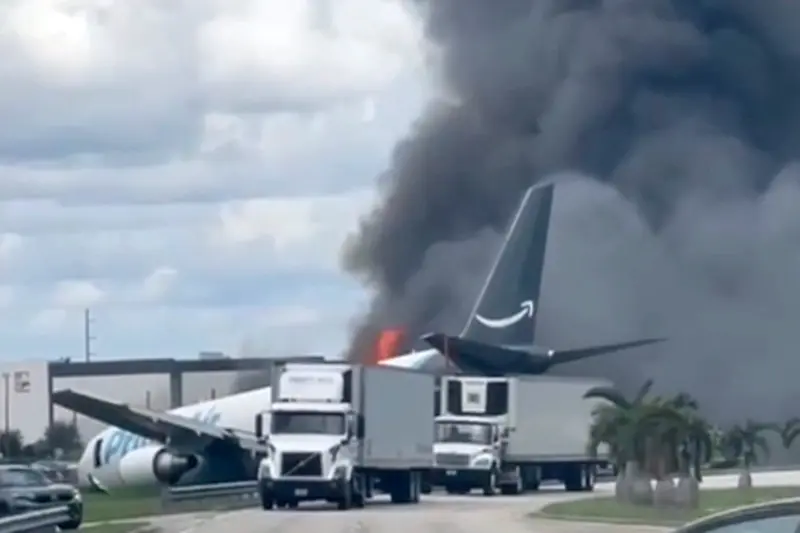
On Thursday, June 26, an Iranian drone struck the Ever Lovely, a Singapore-registered cargo vessel transiting the strategically vital strait. The attack — which Washington said constituted a clear and unambiguous violation of the June 17 Memorandum of Understanding between the two nations — set in motion a chain of retaliatory military exchanges that, by Saturday morning, had drawn the Gulf region to the precipice of a broader war.
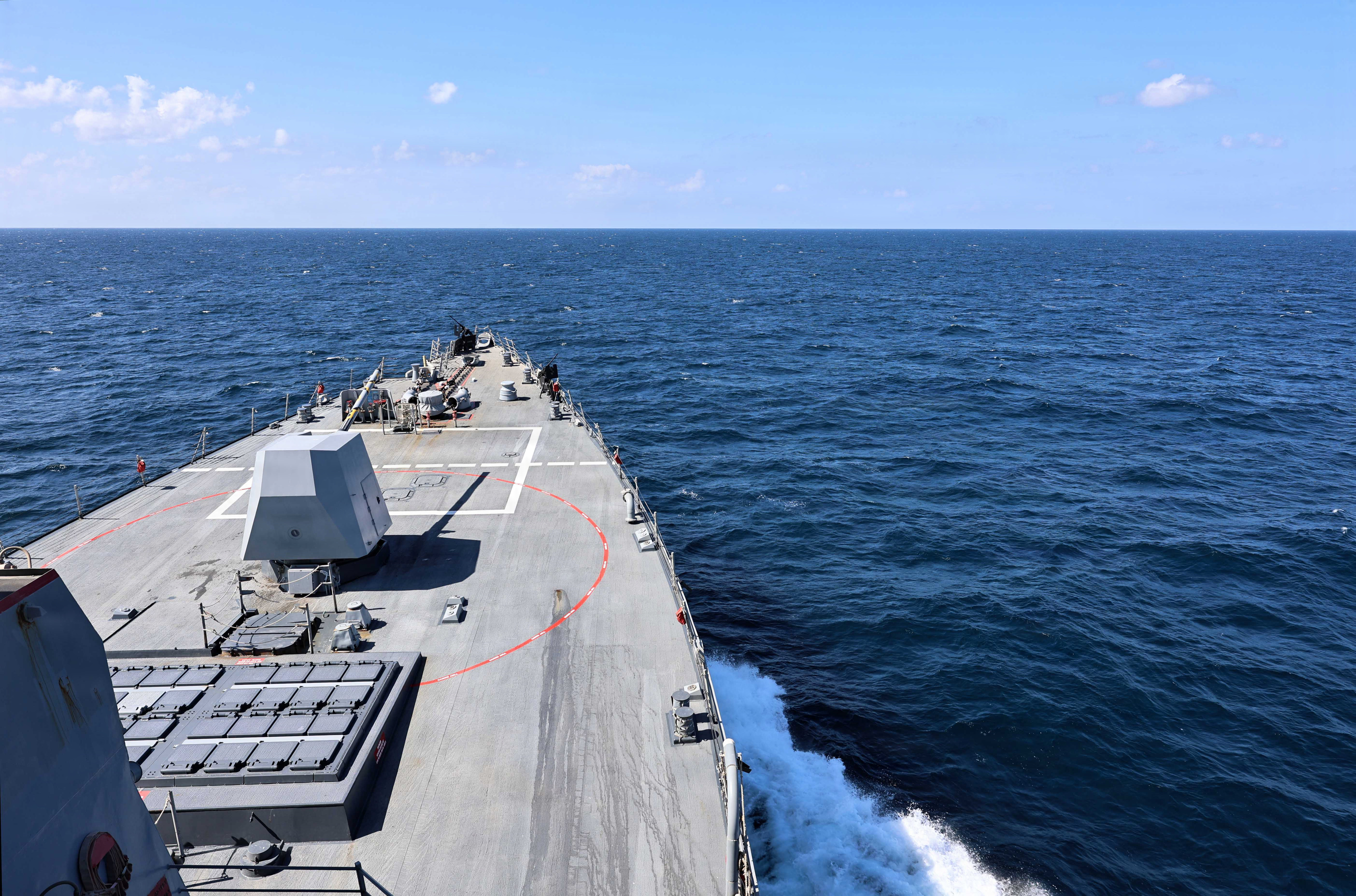
U.S. Central Command confirmed overnight strikes on Iranian missile storage depots, drone launch facilities, and coastal radar installations along Iran’s southern coastline. Iran’s Islamic Revolutionary Guard Corps responded before dawn Saturday, announcing it had struck U.S. military positions in the Gulf and warning, with studied menace, that any further American aggression would draw “a broader” response.

“Obviously, this is a foolish violation of our ceasefire agreement. They know what will happen — and I will not be nice about it.” — President Donald J. Trump, posting on Truth Social, June 26, 2026
A Deal Already Strained Before It Broke
The June 17 memorandum — a 14-point framework brokered through months of diplomatic back-channelling — was never a peace treaty. Both sides acknowledged it publicly as a precursor to longer-term negotiations, chiefly over the Strait of Hormuz, nuclear weapons development, and the status of U.S. sanctions. Iran had issued directives barring commercial vessels from transiting the strait without Tehran’s explicit authorisation. The United States declined to enforce that restriction, and shipping continued to flow, albeit nervously.
The deal was fraying before Thursday’s drone strike. Israel’s continued bombardment of Lebanon — which Tehran argued violated the memorandum’s terms — had already pushed the agreement toward breaking point. Iran suspended diplomatic contacts with Washington on multiple occasions. IRGC commanders issued escalating public threats.
What changed Thursday was the target: not a military vessel, not an Israeli asset, but a civilian cargo ship flying a neutral flag in international waters. For the Trump administration, that crossed a line from provocation into a casus belli.

Washington Strikes Back — And Warns of More
CENTCOM’s statement described the overnight American strikes as “a powerful response to yesterday’s attack on a commercial ship” and asserted that Iran’s drone assault “clearly violated the ceasefire.” The targets — missile storage depots, drone launch platforms and coastal radar systems along Iran’s southern coast — were chosen, officials indicated, to degrade Iran’s capacity to threaten maritime traffic without triggering strikes on population centres.
Vice President JD Vance left little ambiguity about Washington’s disposition. Posting to X in the early hours of Saturday, he wrote: “Violence will be met with violence.” The message was brief, direct, and — in its very brevity — alarming to diplomatic capitals from Brussels to Beijing.
President Trump, speaking to reporters at Mar-a-Lago before the IRGC’s retaliatory announcement, was characteristically blunt about the consequences Iran would face if strikes continued. Aides indicated the President had authorised the military to respond to any further Iranian provocation without requiring additional White House sign-off.
“The United States did not seek this confrontation. But Iran has left us no choice. We struck military targets. We were precise, we were proportionate, and if they fire again, what follows will not be.” — Senior U.S. Defense Department official, speaking on background, June 27, 2026
Tehran Hits Back — And Expands the Theatre
Iran’s response came swiftly and on multiple fronts. The IRGC announced it had struck U.S. military sites in the Gulf region. Bahrain — host to the U.S. Navy’s Fifth Fleet — reported Iranian drone strikes on its territory, condemning the attack as “a serious violation of sovereignty and international law.”
Iran’s Foreign Ministry, in a formal statement, framed the retaliatory strikes as lawful self-defence, accusing the United States of violating both the UN Charter and the terms of the June 17 memorandum. “The Islamic Republic of Iran will not accept aggression on its soil,” the ministry said. “Those who initiated this escalation bear full responsibility for what follows.”

Also on Saturday, the UK Maritime Trade Operations reported that a tanker had been struck by an unidentified projectile in the strait. The vessel sustained damage to its bridge; all crew were reported safe. No party immediately claimed responsibility, though Western naval officials privately attributed the strike to Iran-affiliated forces.
Markets, Oil and the Global Stakes
Oil markets — which had rallied on cautious optimism that the June 17 MoU might hold — gave back gains sharply as news of the overnight exchanges filtered through trading desks in London and Singapore. Brent crude surged above $112 per barrel in Asian hours before retreating as traders weighed the possibility of de-escalation.
The Strait of Hormuz carries an estimated 20 million barrels of crude oil per day — roughly 20 per cent of global supply. Any sustained closure or severe disruption to traffic through the strait would send energy prices to levels not seen since the acute phase of the conflict, with cascading consequences for economies still absorbing the inflation shock of the past three years.
European governments convened emergency consultations. The UN Security Council scheduled an urgent session for Sunday. Australia’s Department of Foreign Affairs and Trade issued updated travel advisories for Australians in the Gulf region and confirmed it was monitoring the situation closely in coordination with allied partners.

A Memorandum in Tatters
Diplomats who had invested months in the June 17 agreement expressed private despair at the pace of its disintegration. The memorandum was designed as a bridge — not to peace, exactly, but to a structured conversation about how peace might eventually be constructed. It assumed, as all such agreements must, a minimum of good faith from both parties.
That assumption now lies alongside the wreckage of the Ever Lovely’s bridge — a casualty of the same exchange that may have ended the ceasefire era entirely.
Iran’s Foreign Ministry said it struck targets “linked to U.S. forces” in response to what it characterised as illegal attacks on its sovereign territory. The IRGC warned, in its statement, that “if the aggression is repeated, our response will be broader than this.”
Broader. In a region already absorbing the aftershocks of the 2026 war, in a global economy still carrying the scars of the past three years, that single word carries extraordinary weight.
Whether the memorandum can be salvaged — whether either side will step back from the precipice before broader confrontation becomes unavoidable — is a question that will be answered not in the corridors of Geneva or the Security Council chamber, but in the skies above the Strait of Hormuz, where drones still fly and fires still burn.