ANKARA — The cameras packed up. The motorcades rolled out. And as the last world leader departed Erdoğan's presidential palace, one thing was unmistakable: NATO left Ankara with a bigger war chest, a warmer alliance, and a president who couldn't stop talking about love.
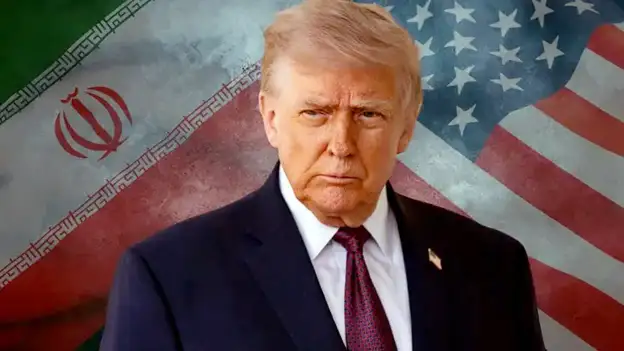
President Donald Trump emerged from the two-day summit on Tuesday declaring the alliance had demonstrated renewed unity — and in language that would have been unthinkable from the same man a few years ago.
"There's a lot of love in that room."
That was Trump's parting shot to reporters after the closing press conference at the Presidential Complex, where he insisted NATO allies had finally stepped up their commitments while reaffirming America's support for the 75-year-old alliance.

$50 BILLION AND COUNTING
The headline number was staggering: more than US$50 billion in defence and industrial agreements, sealed across the summit's final hours. New missile systems. Aircraft procurement. Drone capabilities. Long-range precision weapons. The works.
Allies also locked in plans to expand defence manufacturing capacity across Europe — a direct response to mounting security challenges from Russia, the Middle East, and an accelerating global arms race that has every capital in the alliance reaching for its chequebook.
THE F-35 DEAL THAT WASN'T DEAD
Perhaps the summit's biggest diplomatic shock came on the margins: Trump signalled a willingness to restore closer defence cooperation with Türkiye, including lifting sanctions and reopening discussions surrounding the F-35 fighter program.
The move — widely viewed as a diplomatic win for President Recep Tayyip Erdoğan — would reverse years of tension between Washington and Ankara over Türkiye's procurement of Russian S-400 missile systems, which had triggered Turkey's removal from the F-35 program in 2019.

RUTTE'S WARNING: BUILD MORE, FAST
If Trump brought the warmth, NATO Secretary General Mark Rutte brought the cold clarity.
The former Dutch prime minister described the Ankara summit as a decisive moment for the alliance, stressing that NATO must dramatically increase defence production to deter threats from Russia, China, Iran and North Korea — while maintaining the alliance's "ironclad" commitment to collective defence under Article 5.

INSIDE THE FORTRESS
From inside the heavily restricted NATO Media Centre, I News Australia witnessed unprecedented security as hundreds of journalists from around the world covered every movement of the alliance's leaders.
Presidential motorcades swept through Ankara under extraordinary security measures. Layers of checkpoints. Sweeping convoys. A capital on lockdown — all to host 32 leaders inside one of the world's most tightly controlled international summits.
THE VERDICT
As leaders departed Ankara, one message was unmistakable: NATO leaves Türkiye pledging stronger military investment, deeper industrial cooperation and renewed unity in an increasingly uncertain world.
Whether those commitments translate into lasting action — or dissolve into the usual alliance finger-pointing once the cameras have left Erdoğan's Presidential Palace — will define NATO's future long after the Ankara summit fades from the headlines.
I News Australia Editor-in-Chief Nelly Yoa reporting LIVE from the Bestepe Presidential Compound in Ankara, Türkiye, traveling in an official capacity as a member of the United States media delegation in support of President Donald J. Trump's visit to Ankara.