Sydney — Australia's most populous state is coming for your guns.
New South Wales will launch a cash-for-firearms buyback on November 2, becoming the first Australian state to pay owners to hand over their weapons since the Bondi Beach massacre left 15 people dead at a Jewish festival last December.
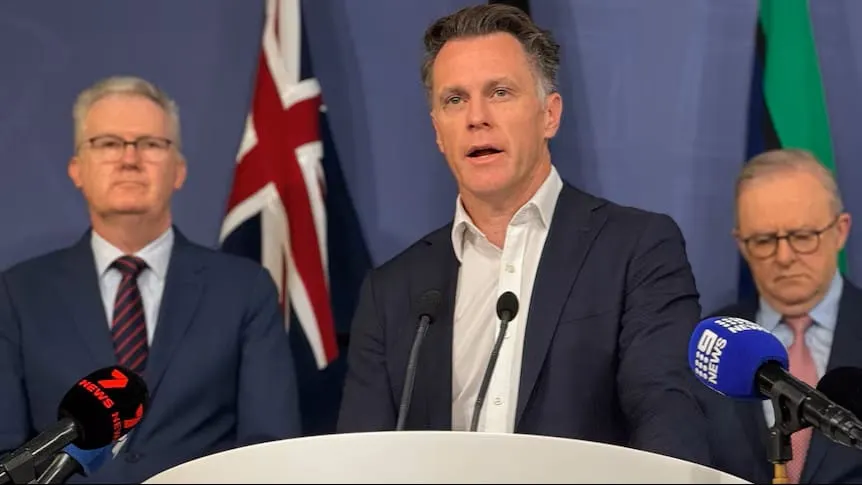
Premier Chris Minns said Saturday the scheme could pull "hundreds of thousands" of guns off the streets — with revolvers fetching up to AUS$1,000 (£523) and high-value firearms worth up to AUS$10,000.
"We want those guns handed in, compensated for and safely destroyed," Minns said bluntly.
How the buyback works
The National Gun BuyBack Scheme — jointly bankrolled by NSW and the federal government — will roll out in two phases.
From November 2, owners of handguns, shotguns and rifles can surrender them for cash. A revolver nets AUS$1,000, an air rifle AUS$450.
Phase two kicks off early next year for "higher-value firearms" valued above AUS$3,000, capped at AUS$10,000 a weapon.
Businesses hit by the reforms can claim up to AUS$25,000 in support, with help also earmarked for gun dealers.
"Meaningful nationwide gun reform"
The move follows sweeping firearm restrictions already rammed through by the Minns government — including a hard cap of four firearms per person, or 10 for farmers and sports shooters.
Gun licences have also been slashed from five years to two.
Prime Minister Anthony Albanese threw his weight behind the crackdown, declaring: "We must do everything we can to make sure the antisemitic terrorist attack in Bondi doesn't happen again. That includes meaningful nationwide gun reform."
The Bondi atrocity
The buyback is the direct response to the December 14 attack that shocked the world.
A gunman opened fire on Hanukkah celebrations along Sydney's famed Bondi Beachfront, killing 15 people — including a 10-year-old girl and a Holocaust survivor.
It was the deadliest terror attack on Australian soil in years and sparked immediate vows from state and federal leaders to overhaul the nation's gun laws.
A planned nationwide buyback had stalled amid funding disputes and wrangling over implementation — until now.
NSW has moved first. Other states are expected to follow.