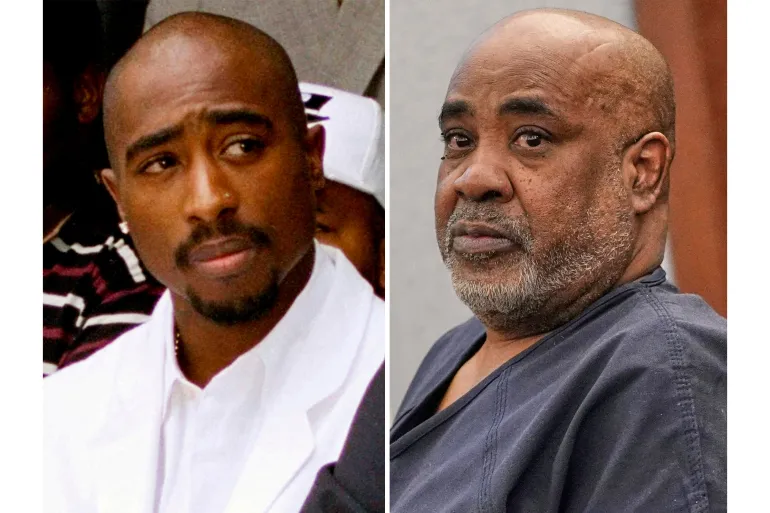
Three decades after rap legend Tupac Shakur was gunned down on the Las Vegas Strip, a jury has finally delivered justice.
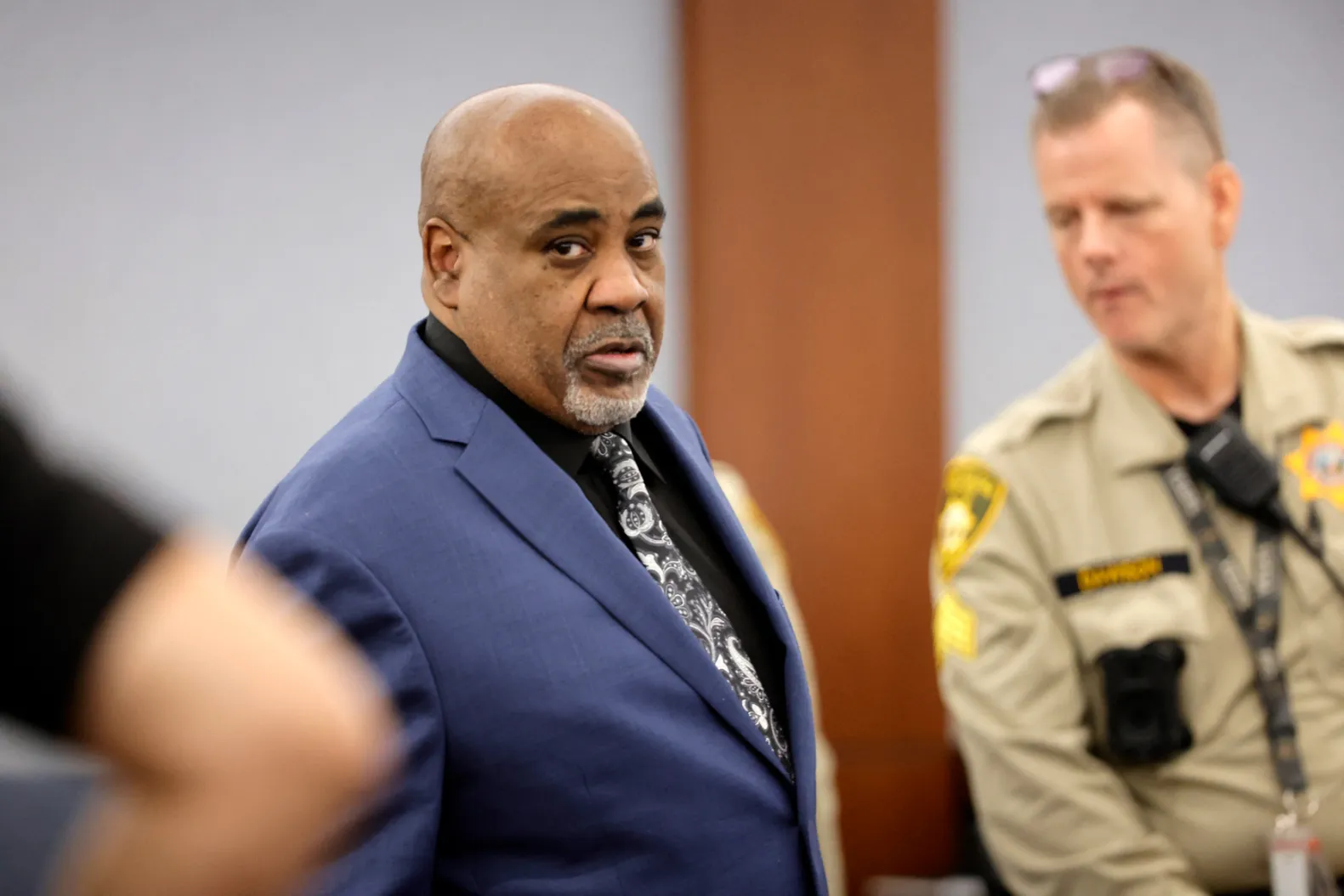
Duane "Keffe D" Davis — a one-time leader of the South Side Compton Crips — was found guilty Monday of first-degree murder in the drive-by shooting that cut short the life of one of hip-hop's brightest stars at just 25 years old.
The verdict closes the book on a mystery that has haunted the music world for nearly 30 years.
"Duane Davis, in the culture of gangs, could not let that stand. So what did he do? He acquired a firearm, got his group together, and went hunting for Mr Shakur."
That was prosecutor Binu Palal, painting the killing as cold-blooded revenge during closing arguments.
The night that changed rap forever
It was September 7, 1996. Shakur was in Vegas for the Mike Tyson heavyweight fight at the MGM Grand.
Hours earlier, the rapper had been caught on camera unleashing a brutal beating on Orlando Anderson — Davis's nephew — inside the casino.
That humiliation, prosecutors said, sealed Shakur's fate.
"On September 7, 1996, Tupac Shakur publicly, on camera, participated in a humiliating beating of Duane Davis's nephew, Orlando Anderson," Palal told the court.
Then, barely two hours later, a white Cadillac rolled up alongside the BMW carrying Shakur through the front passenger seat — Death Row Records boss Marion "Suge" Knight behind the wheel — and a gunman opened fire.
"Then, two and a half hours later... Tupac is gunned down in a drive-by shooting from a white Cadillac in an act of revenge."
Shakur was struck in the chest. He hung on for six agonising days before dying on September 13, 1996.
"He confessed — over and over"
Davis, now 63, didn't just get caught — he all but confessed, the jury heard.
In repeated interviews with law enforcement, with journalists and ultimately in his own autobiography, Davis spelled out his role in the hit, the prosecutor said.
"Over the years, in private interviews, in public statements, and even in private calls, Duane Davis has repeatedly told us over and over again about the anger he felt, and his own role in the revenge drive-by shooting of Tupac Shakur."
"And now, nearly 30 years later, we're going to ask you to finally hold Duane Davis accountable," Palal told jurors.
According to prosecutors, Davis handed the gun to a back-seat passenger in the Cadillac and ordered the shooter to open fire on Shakur's BMW.
Life behind bars
The jury agreed. Davis was convicted of "first-degree murder with a deadly weapon with the intent to promote, further, or assist a criminal gang," CNN reported from court.
He intends to appeal the verdict. His sentencing is set for October 13 — and he could spend the rest of his life behind bars, with no chance of parole.
A titan cut down
Shakur was one of the most influential and commercially dominant rappers of the 1990s — the voice behind All Eyez On Me and the US No. 1 smash California Love, which also cracked the top five in Australia.
His slaying came at the white-hot centre of the East Coast–West Coast rap war that tore through American hip-hop in the decade.
Six months later, the other titan of that feud — The Notorious B.I.G. — met an almost identical end, gunned down in a drive-by shooting in Los Angeles. That killing remains unsolved.
Now, after 30 years of whispers, conspiracy theories and unanswered questions, one of those two long-cold cases is finally closed.