LOS ANGELES — The MTV Video Music Awards returned to the West Coast on Sunday night for the first time in nearly a decade, staging a sprawling, uneven spectacle at the Peacock Theatre that oscillated between genuine emotional resonance and the kind of made-for-television chaos the ceremony has long made its trademark.
The evening's most enduring storyline, as has become customary at these events, belonged to Taylor Swift. The pop superstar debuted the music video for her new single "Patient Zero" — a cinematic affair featuring Dakota Johnson and Colin Farrell — and, in doing so, surpassed Beyoncé to become the most-awarded artist in the history of the franchise. It was a quiet coronation in a night defined largely by noise.
A Delayed Opening, and a Familiar Provocateur
The ceremony was scheduled to broadcast live at 7:30 p.m. Eastern on CBS and MTV, but a Baltimore Ravens-Dallas Cowboys game ran long, pushing the start more than 20 minutes past its appointed hour. Footage of the show's opening moments circulated on social media before the broadcast began, prompting a wave of frustration from viewers who had tuned in expecting punctuality.
When the program finally commenced, Madonna — making her first live VMA appearance in 23 years — delivered an opening performance that was equal parts spectacle and nostalgia. She was joined by Sabrina Carpenter for "Bring Your Love" and Charli XCX for "Danceteria Afterhours," with surprise appearances from her longtime friend Debi Mazar and actress Julia Garner, who had been slated to portray her in a since-abandoned biopic.
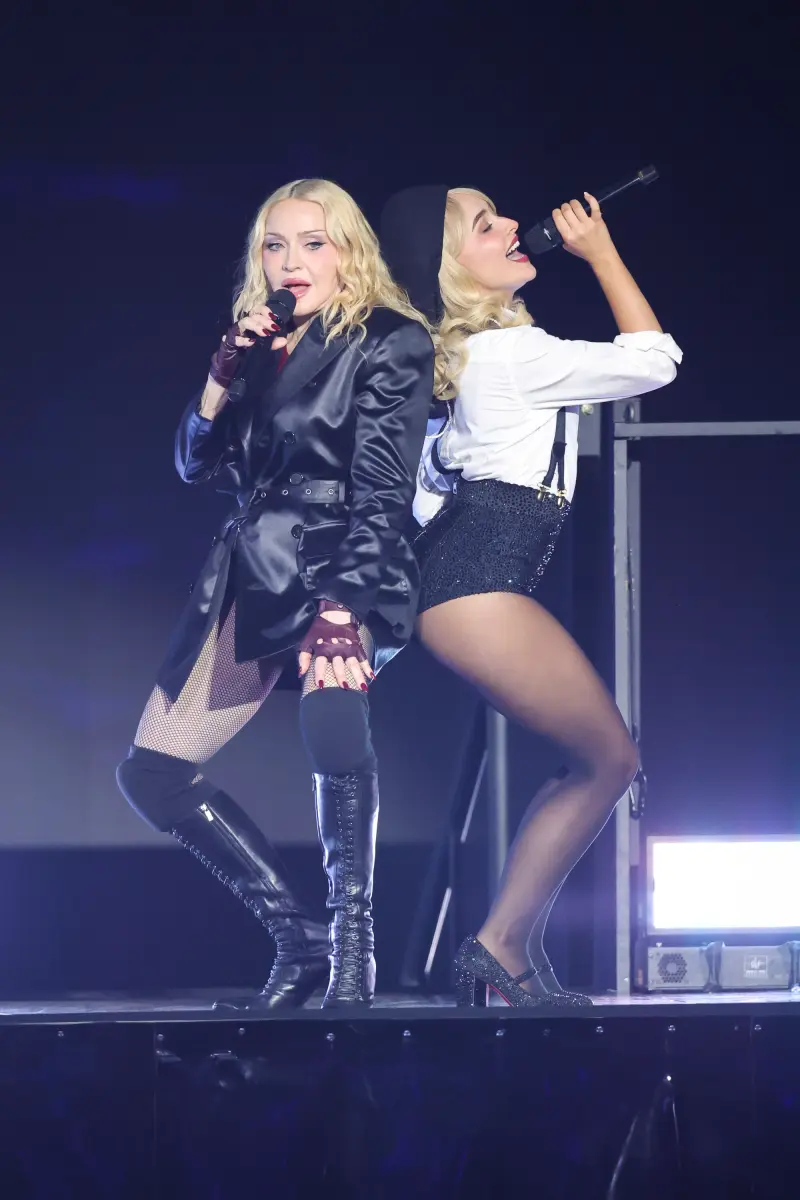
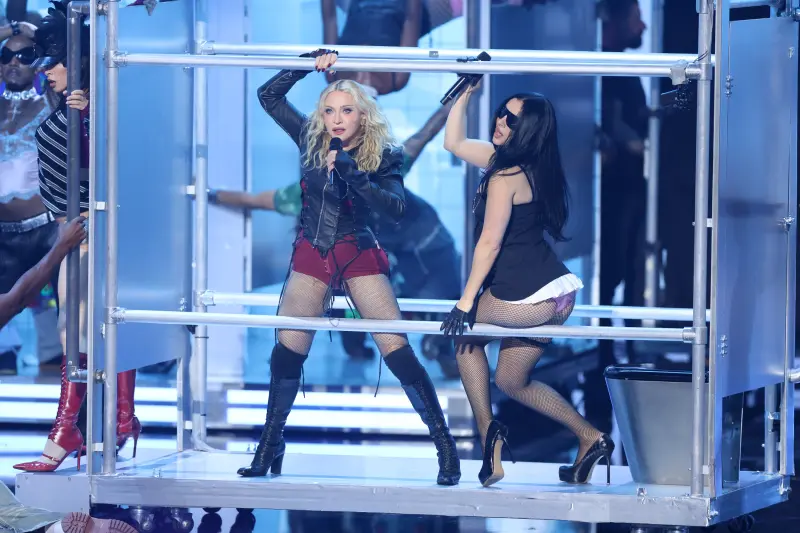
The staging was characteristically provocative: dancers with lasers, elaborate choreography set amid bathroom-stall facades. It was a reminder that, even at 68, the Material Girl retains an instinct for the theatrical.
A Host in Search of a Spark
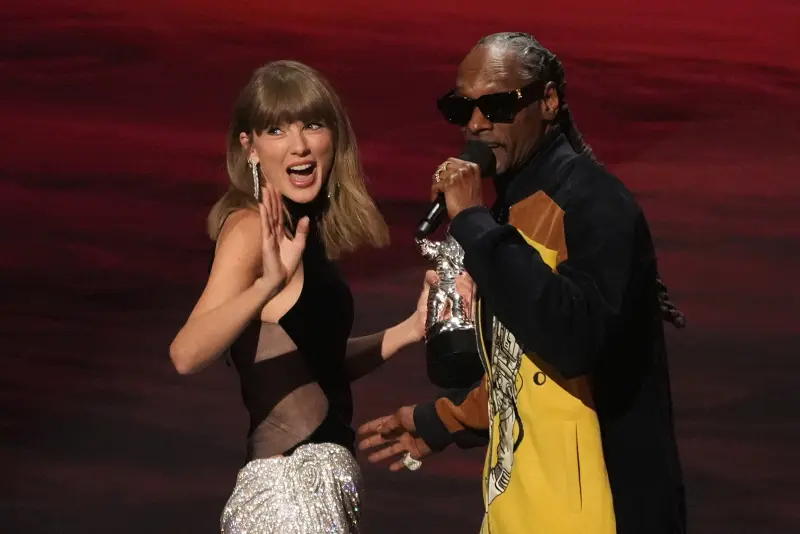
Snoop Dogg, tasked with hosting duties, proved a capable but largely unmemorable presence. His scripted asides generated modest laughter, and his opening monologue struggled to find its footing — though he did manage a well-timed jab at Madonna following her performance. "Madonna just killed it, now that is an icon," he said, before pausing. "One thing I want to say is, she ain't no virgin no more."
It was the kind of line the VMAs trade in — a fleeting moment of levity in a broadcast that, at three-plus hours, frequently tested the patience of even its most committed viewers.
A Tribute in Its Purest Form
The evening's most affecting segment belonged to Kacey Musgraves, who honored the late Dolly Parton with a spare, piano-backed rendition of "I Will Always Love You." Parton, who died in August at 80 following a private battle with cancer, was shown in archival footage that played behind Musgraves as she sang.
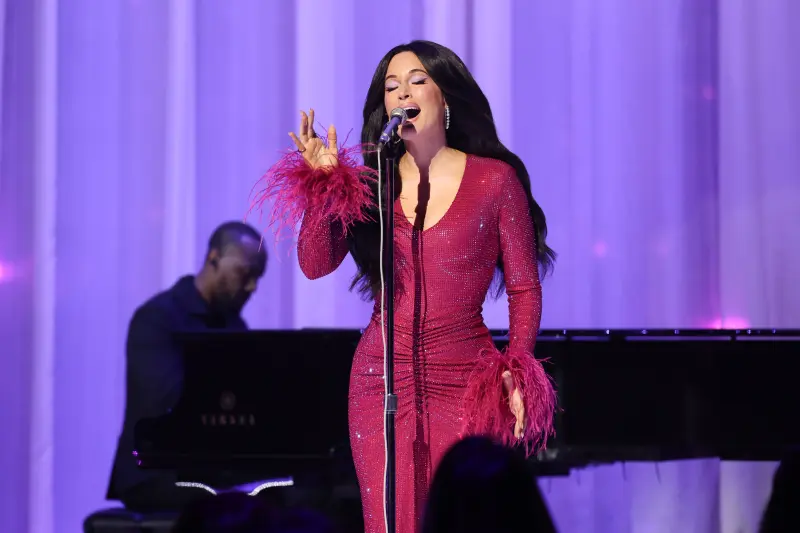
The performance was defined by its restraint — no pyrotechnics, no choreography, no spectacle. Just a voice, a piano, and a song that has outlived generations. By its conclusion, Musgraves was visibly emotional, and the theatre, for a rare moment, was silent.
A Vanguard Honor, Lacking Its Vanguard
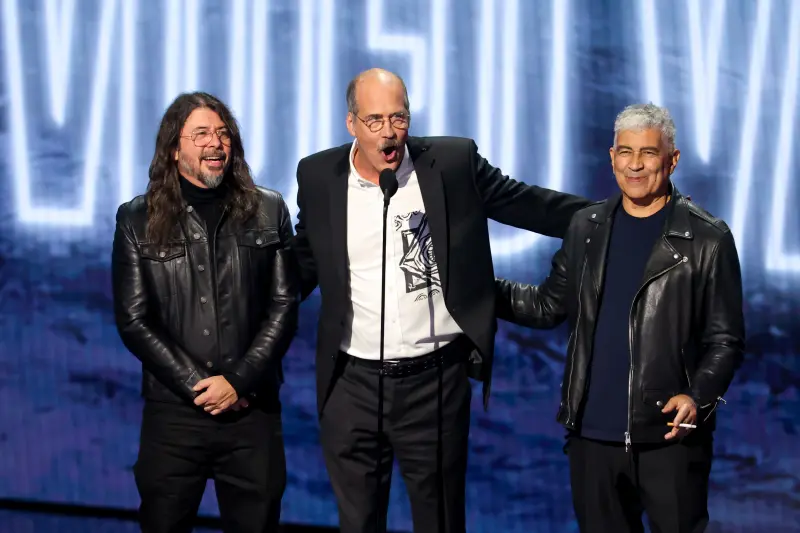
Nirvana received the Video Vanguard Award — the first band to earn the distinction since Duran Duran in 2003 — in a moment that carried undeniable historical weight but ultimately failed to match its promise. Introduced by Chuck D, the surviving members Dave Grohl, Krist Novoselic, and Pat Smear paid tribute to their late frontman, Kurt Cobain.
The speech was respectful and brief, but it lacked the revelatory quality that has defined the best Vanguard acceptances. For a band whose legacy was built on disruption, the moment felt strangely muted.
Madonna, Again — and Again
Madonna's evening extended well beyond her opening number. She collected multiple Moon Person trophies, including Best Collaboration, Artist of the Year, and Best Dance — but her acceptance speeches grew increasingly rambling as the night wore on.
"First of all I would like to thank my fingers, because I can always count on them," she said while accepting Artist of the Year, a remark that left the audience momentarily bewildered. Later, accepting Best Dance, she admitted she had forgotten what the award was for.
It was a fitting coda to an evening that, for all its polish, never quite escaped its own disorder — a broadcast that, like the city it returned to, knew how to put on a show even when the show didn't quite know what it wanted to be.