For the first time in nearly a century, America is set to put a man to death in full public view.
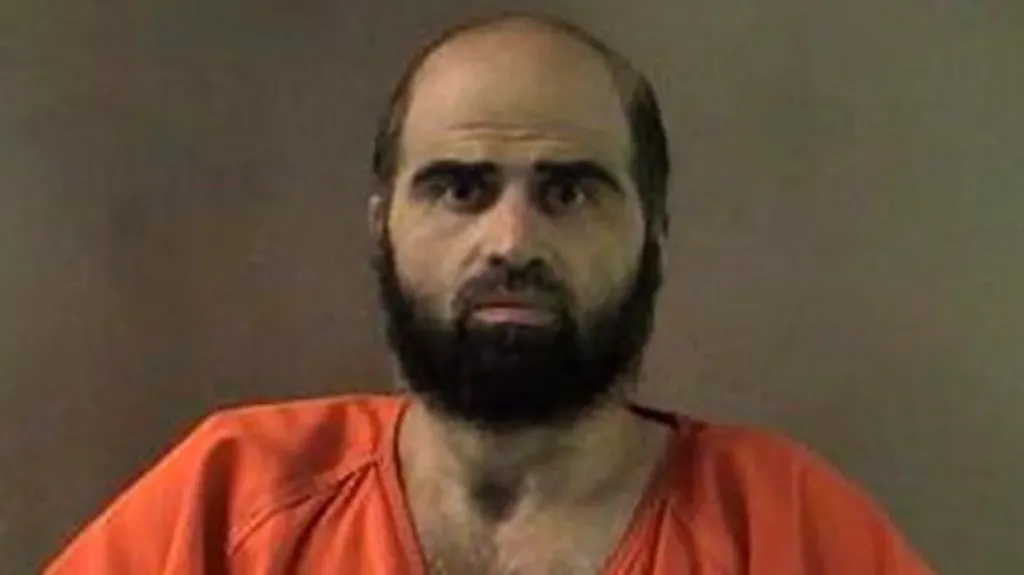
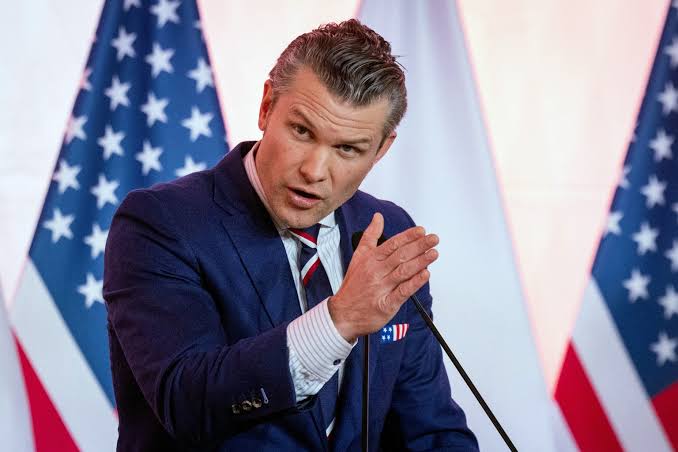
The Pentagon will livestream the firing squad execution of Nidal Hasan, the disgraced US Army major who slaughtered 13 unarmed soldiers in the 2009 Fort Hood massacre, Defence Secretary Pete Hegseth confirmed.
It would be the first public execution on US soil in almost 100 years, and the first military execution in more than six decades.
"People need to understand that there's serious consequences for these types of things," Hegseth declared.
The mass killer, a former Army psychiatrist from Virginia, admitted gunning down 13 unarmed soldiers in a crowded medical building at the Texas base. He told his court martial he believed he was protecting Muslims and the Taliban in Afghanistan.
'A firing squad of soldiers. As it should be'
Hegseth, in a fiery interview with conservative outlet Real America's Voice, made clear the Trump administration's intent: Hasan is "gonna get a firing squad of soldiers. As it should be."
Asked whether the condemned man had made any final requests or reached out to President Donald Trump, the defence secretary was blunt: "Don't care. We'll see him on December 3rd."
The execution is scheduled for Fort Hood in Texas on December 3. It will be the first military execution by firing squad since the end of World War Two.
Trump approved Hegseth's recommendation, a Pentagon spokesperson confirmed Monday. The White House has not said whether the president personally backs a public livestream.
'I want him to know he failed'
For the survivors and the families of the fallen, December 3 cannot come soon enough.
Alonzo Lunsford, a former US Army sergeant shot seven times in the rampage, told the BBC he supports the firing squad as a method "befitting" for what Hasan did.
He plans to be there. And before they pull the trigger, he has a message for the man who tried to kill him.
"I want him to look me in the eyes. I want him to know he failed. I'm still here."
Lunsford does have reservations about the livestream, worried about the message it sends to young people. But for those who lived through the horror, he says, the right to watch is absolute.
"As far as the families of the fallen and the families of the survivors, and the survivors themselves, yes, I think we should be able to look at it uncensored."
Outcry from the UN and Democrats
Not everyone is cheering. The plan has drawn fierce condemnation from human rights groups and political opponents.
The UN human rights office called a livestream "tantamount to a public execution" that would "breach the absolute prohibition of torture."
Democratic Senator Chris Murphy branded the idea "disgusting" and compared it to the barbaric executions carried out by the Islamic State terror group.
Lawyer John Mills, who works with death row inmates, warned the move is "unprecedented in the modern era" and "on uncertain legal terrain." He said he would be surprised if the execution even goes ahead, with Hasan's appellate process still unfinished.
"Seeking to make it livestreamed, a firing squad execution, is little more than attention-seeking by the Trump administration and is unlikely to occur, much less deliver any semblance of justice."
A grim history
The last military execution in the United States took place in 1961, when an Army private was hanged after being convicted of raping an 11-year-old Austrian girl. President Dwight D Eisenhower authorised it, and it went ahead despite the victim's family pleading with his successor, John F Kennedy, for clemency.
The last firing squad military execution was in January 1945, when young Army deserter Eddie Slovik was shot during the final months of World War Two.
Trump overturned Joe Biden's moratorium on federal executions when he returned to the White House.
According to Pew Research, two thirds of Americans now back the death penalty for murder, a figure that has climbed six points in five years.
The countries with the highest number of executions last year were China, Iran, Saudi Arabia, Yemen and the US, in that order.
Only two nations carried out public executions in 2025: Iran, with 11, and Afghanistan, with six.
Now the United States is poised to join that list.