NATO's top military commander delivered a chilling ultimatum to Moscow on Monday, vowing the alliance would "break" Russian forces and destroy "anything and everything" supporting an attack on allied soil.
The jaw-dropping warning from U.S. Air Force Gen. Alexus Grynkewich came at the Warsaw Security Forum as tensions with Russia hit a boiling point, with Vladimir Putin's regime ramping up sabotage, cyberattacks and provocative military moves near NATO's doorstep.
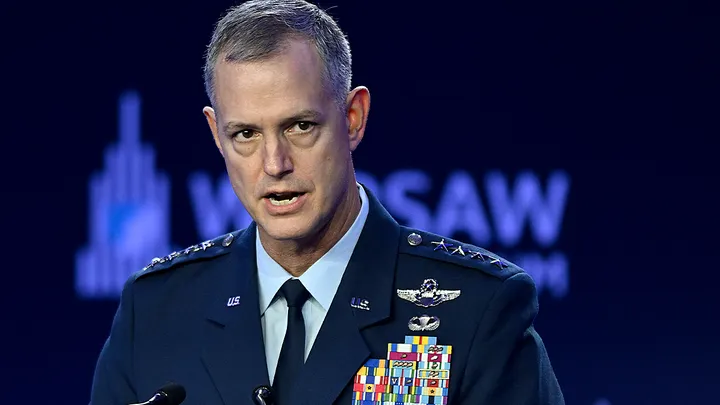
"Should the adversary choose to press the attack or commit his reserves, we will break the warfighting system engaged against us."
Translation for the Kremlin: Try us, and we'll wreck you.
'We Will Break You'
Grynkewich laid out NATO's battle plan in stark, no-nonsense terms, outlining a strategy to "block, blunt and break" enemy forces that dare to cross the line.
"We will stop the attack and deny them the ability to achieve their objectives, whatever those might be," he told the forum, which gathered European political and defense leaders as the continent grapples with Russia's grinding war in Ukraine.
And if Moscow thinks it can keep poking the bear's neighbors without consequence, the four-star message was unmistakable: NATO is locked, loaded and ready.
Drones, Sabotage And Nuclear Threats
The general's fiery remarks come amid a surge of Russian aggression on NATO's eastern flank.
Last year, multiple Russian drones blasted into Polish airspace during a massive attack on Ukraine, scrambling Polish and allied fighter jets. Romania has reported its own drone incursions, and Estonia has accused Russian warplanes of violating its airspace.
NATO responded by launching Operation Eastern Sentry to bulk up defenses along its vulnerable eastern border.
But the sabre-rattling has gone far beyond buzzing borders. Moscow dropped a nuclear bombshell of its own on Sept. 30, warning NATO it could unleash nuclear weapons if the alliance tried to isolate Kaliningrad, the heavily militarized Russian exclave wedged between Poland and Lithuania.
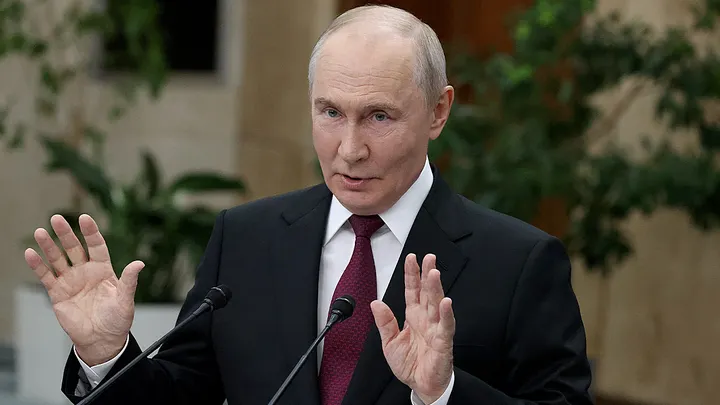
Trump's Diesel Deal And Zelensky's Fury
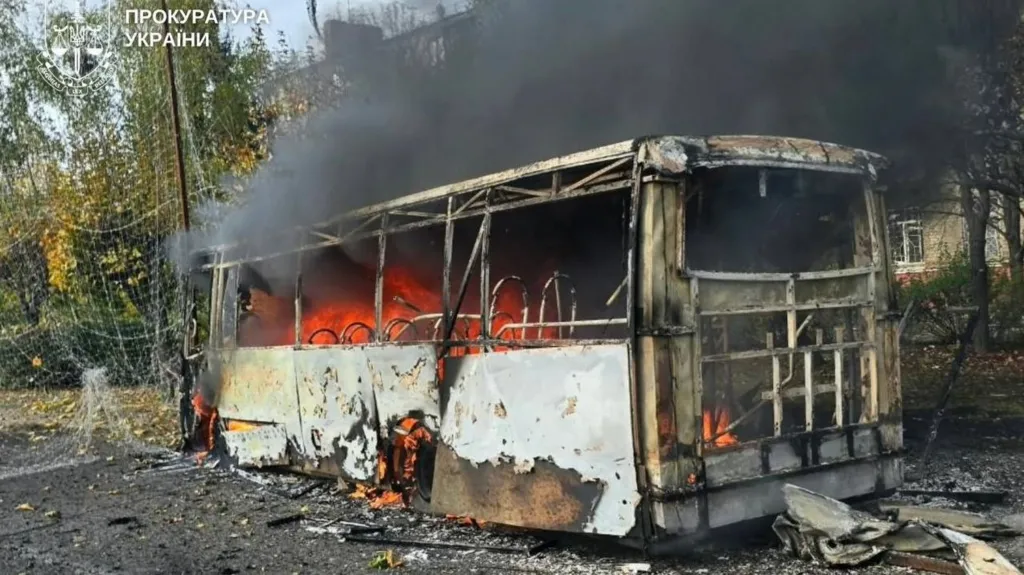
The warning landed on a brutally tense weekend between Russia and Ukraine, with Moscow launching fresh strikes on Ukrainian energy infrastructure even as diplomatic efforts sputtered along.
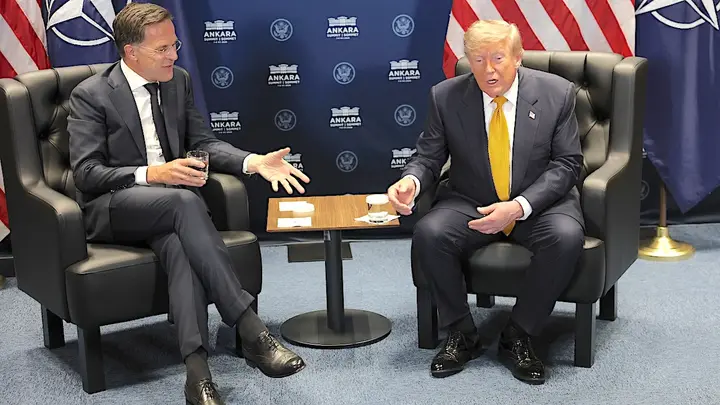
President Donald Trump announced he'd struck a deal with Putin to flood the U.S. and global markets with more Russian diesel, including a waiver of certain American sanctions on Russian energy exports.
Ukrainian President Volodymyr Zelenskyy fired back, accusing Russia of pressing on with attacks on Ukrainian energy facilities and casting serious doubt on any hopes for a broader ceasefire.
'I Felt The Love'
Trump has spent months jawboning NATO allies to pony up more defense cash and has openly questioned whether deadbeat countries that fail to meet their spending obligations should expect Uncle Sam's protection.
But Grynkewich swatted away fears that Washington might be going wobbly on the alliance, recalling the president's warm words at the 2025 NATO summit in The Hague.
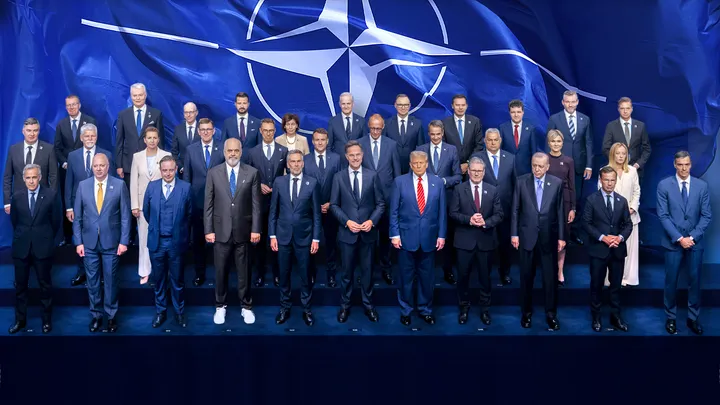
"I was in the room and I felt the love."
"What I want to do is assure the one billion citizens of our alliance that we've got this. We know what we need to do. We know how we would do it," he said.
The general also signaled he's ready to speak openly about suspected Russian hybrid attacks, from sabotage to arson, if individual NATO governments want him to address their concerns.
"If a nation wants me to, I'm happy to talk about it," Grynkewich said.
The Bottom Line
With Putin's war grinding on, nuclear threats flying and Russian drones skirting NATO airspace, the alliance's top general drew a line in the sand that even the Kremlin can't misread.
The message from Warsaw was loud, clear and unapologetic: NATO is ready, NATO is resolute, and if Russia comes knocking, the alliance will break whatever Moscow sends its way.
For a Russian president already juggling a grinding war, a fuel-starved economy and a restive front line, that's a warning shot he'd be foolish to ignore.