Oil prices tanked to a three-week low Tuesday after top Trump administration officials signaled a deal to reopen the Strait of Hormuz could land within days — sending Brent crude plunging nearly 5 percent and offering drivers a glimmer of relief at the pump.
Secretary of State Marco Rubio and Treasury Secretary Scott Bessent both talked up the breakthrough, with Bessent telling CNBC a deal to open the vital waterway could come as soon as Tuesday or Wednesday.
"There's been progress made in those talks, but not finality yet. We're hoping that will happen very shortly," Rubio told reporters at the State Department.
Brent crude, the global benchmark, cratered almost 5 percent to under $80 a barrel on the news. US West Texas Intermediate slid more than 5 percent to $76. Both contracts hit their lowest levels since July 13.
"Freedom of movement"
Bessent said a deal to reopen the strait could be struck imminently — and hinted Iran could even be allowed to charge tolls for ships passing through.
"It would be freedom of movement," he told CNBC, when asked whether Tehran would be permitted to levy fees on vessels transiting the chokepoint.
But while Washington's heavy hitters were talking up progress, no details of what a deal might actually look like have been released.
And Iran insists it isn't negotiating with the US at all — and has no plans to. Instead, Tehran says it is talking to Oman, the mediator in the talks, with a spokesman for Iran's foreign ministry calling discussions on a new mechanism for vessels "positive."
A volatile market burns drivers
The failure of previous negotiations to de-escalate the US-Iran conflict has left the oil market on a knife's edge — and motorists footing the bill.
The disruption has sent pump prices soaring across the globe. In the US, gasoline is now averaging above $4 a gallon, according to AAA, with diesel nearing $5.40.
In the UK, petrol is back to levels seen at the start of the conflict, with the average litre hitting £1.60, according to the RAC.
Prices have swung wildly throughout the war — surging above $120 when fighting escalated, then plunging whenever talks hinted at a breakthrough.
Investors are acutely aware of how many times we've already been at this point in the war and how fragile the process of securing lasting agreements can be.
Trump's "last chance" warning
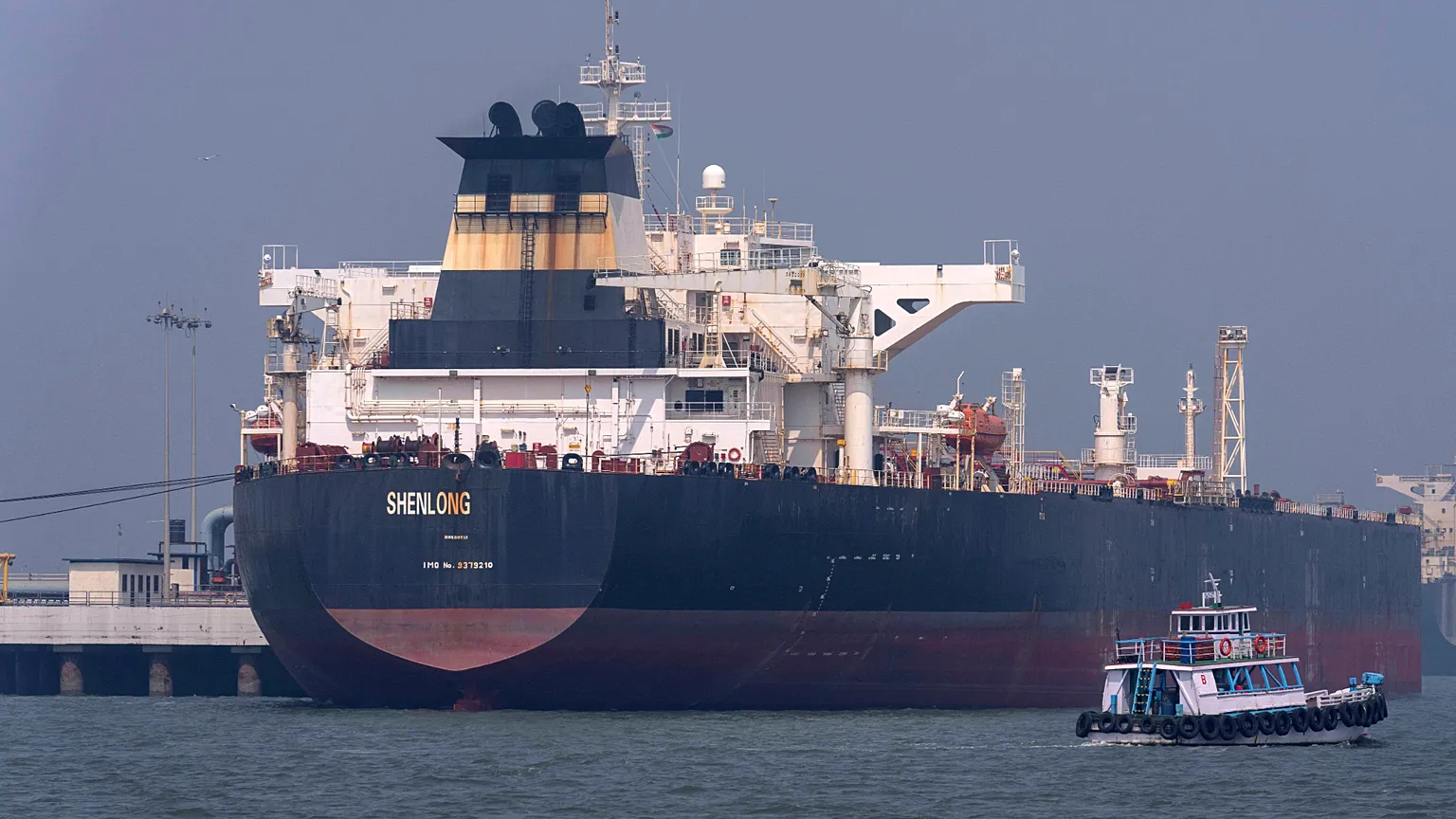
The stakes couldn't be higher. Before the conflict erupted in late February, the Strait of Hormuz carried roughly one-fifth of the world's daily oil and liquefied natural gas supplies.
Iran has choked off most traffic through the strait since the war began, while the US has imposed its own naval blockade on Iranian ports in the region.
Another blockade — imposed by Yemen's Iran-backed Houthis since July 20 — has shut down Saudi Arabia's ports in the Red Sea, a route that had become a crucial workaround since Iran blocked the strait. That detour has grown increasingly deadly, with a spate of attacks on vessels in the past week alone.
On Tuesday, a projectile sank an Indian-flagged vessel near Yemeni waters, with India's shipping minister confirming all 14 crew were rescued. Analysts say the threat to oil tankers in the Middle East is now the worst since the Iran war started.
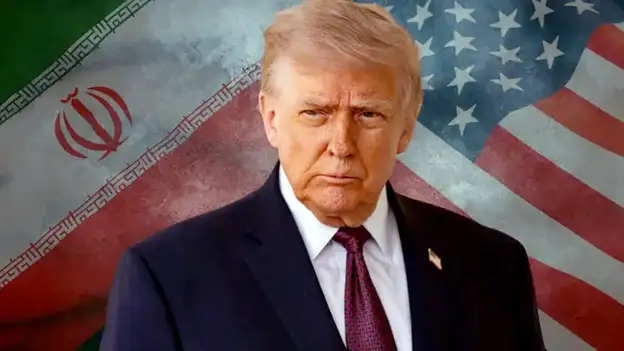
On Monday, Trump warned Iran it faced its "last chance" to agree a deal to let commercial shipping resume — and said he had called off "massive" strikes on the country to give talks room to breathe.
Big Oil rakes it in
The elevated prices have been a bonanza for the majors. BP, Shell, Chevron and Exxon Mobil have all reported bumper profits off the back of the turmoil.
But despite the eye-watering revenues, oil giants remain "at the mercy" of Trump's "machinations," warned Danni Hewson, head of financial analysis at AJ Bell.
US stock markets traded higher Tuesday on the falling oil prices and a wave of corporate results tied to artificial intelligence — though Wall Street has been jittery as Big Tech earnings signal spending on AI is set to keep soaring.
For now, the market is betting on a deal. Whether this is the breakthrough — or just another false dawn in a war full of them — will be decided in the coming days.