LAS VEGAS. Thirty years after a hail of bullets cut down one of hip-hop's brightest stars, justice is finally getting its day in court.
Jury selection kicked off Monday in the long-awaited murder trial of Duane “Keffe D” Davis — the former gang boss prosecutors say orchestrated the 1996 drive-by shooting that killed rap legend Tupac Shakur on the Las Vegas Strip.
Davis, 63, was indicted in 2023 on one count of murder with a deadly weapon and has pleaded not guilty. Prosecutors don't claim he pulled the trigger — they say he called the shots from the front passenger seat of the white Cadillac that rolled up alongside Shakur's BMW on the night of September 7, 1996.
It took 109 seconds to settle the Mike Tyson-Bruce Seldon fight at the MGM Grand that night. It's taken three decades for anyone to face a jury over Tupac's murder.
THE NIGHT VEGAS CHANGED FOREVER
About 10,000 fans were inside the arena watching as Tyson sent Seldon face-first to the canvas. Shakur, the 25-year-old number one-selling rapper, was among them.
Hours later, he was riding with Death Row Records boss Suge Knight when a white Cadillac pulled up at a red light on Flamingo Road. Four bullets tore through the BMW. Shakur's right lung was destroyed. After six days on life support, he was pronounced dead.
The killing — and the eerily similar drive-by murder of his rival Biggie Smalls less than a year later — exposed the ugly underbelly of the East Coast-West Coast rap feud, forcing America to confront whether artistic beefs had curdled into bloody street warfare.
WHO FIRED THE SHOTS?
That's the question that has haunted investigators and fans for three decades.
“At no point during the investigation of the vehicle were any cartridge cases found inside (Knight's) car or any weapons,” retired Las Vegas officer Clifford Mogg told the grand jury.
Davis, for his part, has been his own worst enemy. In his tell-all memoir “Compton Street Legend” — now a key piece of evidence against him — the self-described Crips member boasted about his role, claiming Shakur's fatal alliance with Suge Knight and Death Row Records dragged him into the crossfire of LA's gang turf wars.
“Tupac mistakenly thought Suge and the Death Row crew they were rolling with were untouchable and would protect him,” Davis wrote. “He seemed to have lost touch with the reality of the streets that everyone can be touched.”
FROM POET TO ICON
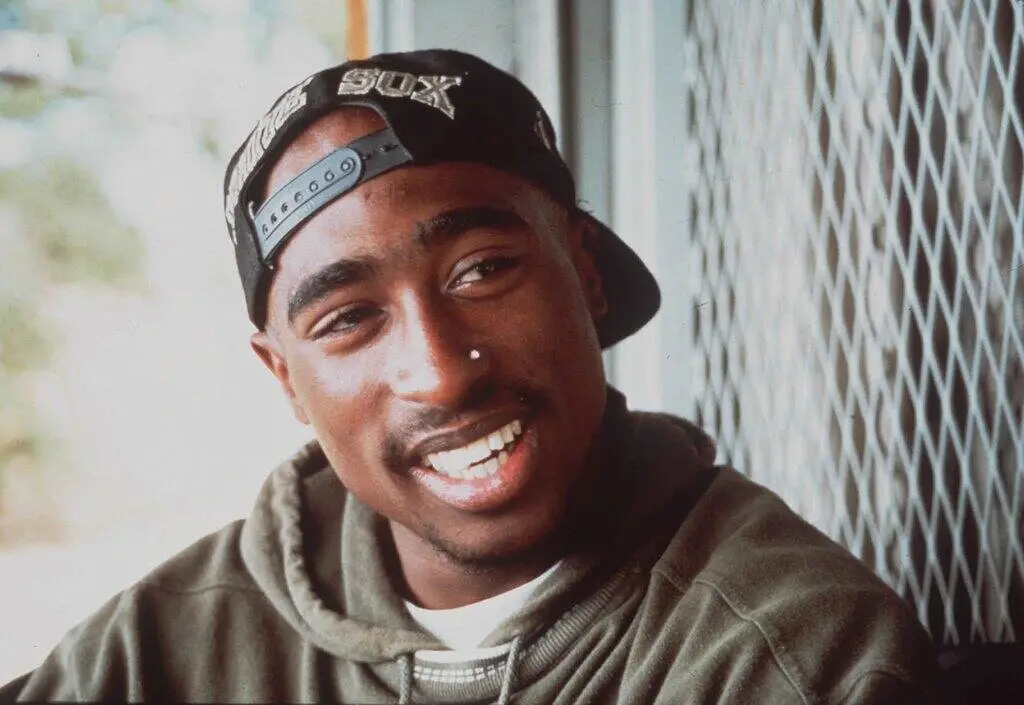
Tupac Shakur was never just beats and rhymes. Raised on a rough East Coast childhood with an absent father and an addicted mother, he blended hip-hop with classical poetry and Shakespeare.
“Look at Romeo and Juliet,” he once told the Los Angeles Times. “That's some serious ghetto sh*t.”
After moving to Northern California, he joined the party-focused group Digital Underground as a dancer before securing a solo deal. His politically conscious debut “2Pacalypse Now” was eventually certified gold, and his work ran the gamut from the tender ode “Dear Mama” to the mournful “So Many Tears.”
A critically praised actor who starred alongside Janet Jackson and Omar Epps, Shakur earned his first film role in “Juice” on pure magnetism — crashing a friend's audition and walking out with the part. Three films starring the rapper were released after his death.
THE DOWNWARD SPIRAL
But off-camera, his rising fame was shadowed by violence and legal trouble.
In 1993, he was charged with shooting two off-duty cops in Atlanta — charges later dropped. The next year, he was convicted of sexually abusing a fan and sentenced to at least 18 months behind bars.
During jury deliberations in that case, Shakur was lured to a New York recording studio and shot five times in the lobby. He checked himself out of the hospital against doctors' advice to attend his sentencing in a wheelchair, left hand bandaged, face swollen.
It was that shooting — and his belief it was a setup — that drove him into the arms of Suge Knight, who fronted his bail money in exchange for a three-album deal with Death Row Records.
“Tupac loved Death Row,” Knight said a week after Shakur's death. “Tupac loved me. I loved him.”
THE GANG CONNECTION
That bond, prosecutors say, is what got Tupac killed.
Davis claims the Crips were tight with Bad Boy Records on the East Coast, while the Bloods backed Death Row — weaving LA's gang wars into the fabric of the music industry.
“At Death Row especially, there was no question about the gang affiliations,” said former MTV journalist Abbie Kearse, who interviewed Shakur in 1994.
“He was working through his trauma with his art, his music, his poetry,” Kearse said, “and yes, the anger comes out in real life, too, through violence.”
JUSTICE, 30 YEARS LATE
Now, after a generation of dead ends, whispered conspiracy theories and cold-case frustration, a jury will finally weigh Davis's fate.
The trial is expected to last about a month, with jury selection alone taking up to a week. Courtroom seating is being handed out by lottery — a measure of the global fascination with a case that has defined an era of hip-hop history.
For Tupac's family, it's been a three-decade wait for answers.
“My brother was murdered in '96. It's been 30 years,” a family member said ahead of the trial. “We just want justice.”
Whether Keffe D walks free or faces the rest of his life behind bars, one thing is certain: the legacy of Tupac Shakur — poet, prophet, provocateur — will be back under the brightest spotlight it's known since the night the music stopped on a Las Vegas sidewalk.