WASHINGTON — Nearly 50 years. That's how long Syria sat on America's blacklist of state sponsors of terrorism.
Not anymore.
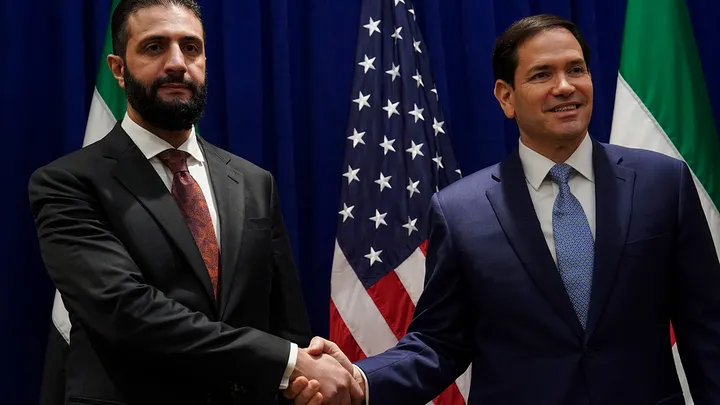
The United States on Monday formally struck Syria from the list, with Secretary of State Marco Rubio declaring the move “eliminates the final major barriers to investment and economic recovery” in the war-shattered country.
The determination, posted on the U.S. Treasury's website, took effect after a 45-day congressional review period — triggered when President Trump formally notified Congress on July 8 of his intention to rescind the designation.
OFF THE LIST — AFTER NEARLY HALF A CENTURY
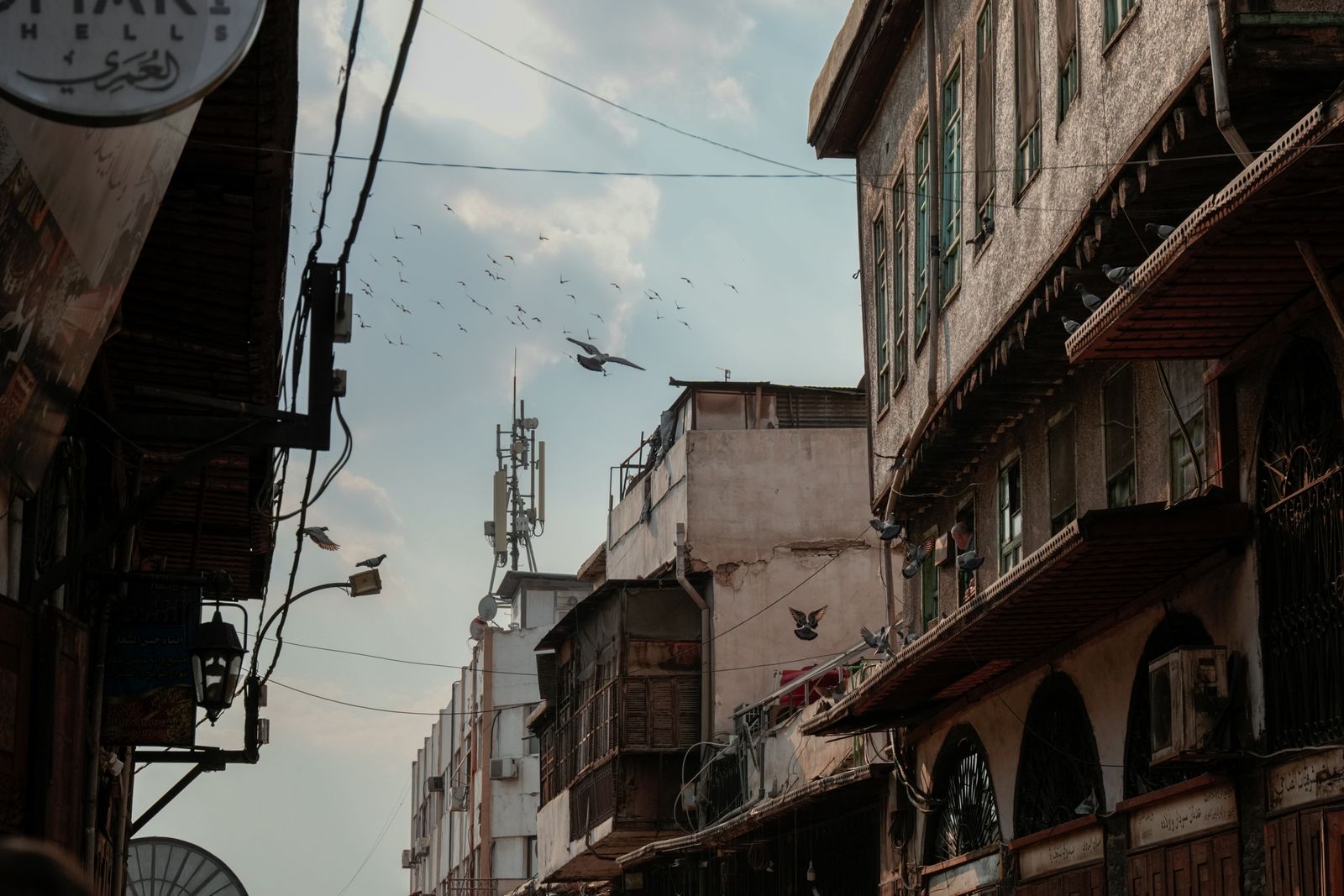
Syria had been on the State Sponsors of Terrorism list since 1979, when Washington accused the government of then-President Hafez al-Assad of bankrolling militant groups across the region.
The designation stuck through the brutal reign of his son, Bashar al-Assad, and outlasted a 13-year civil war that reduced whole cities to rubble.
Now it's gone — and only three countries remain on the blacklist: Cuba, Iran and North Korea.
TRUMP'S GAMBLE ON THE NEW MAN IN DAMASCUS
The reset is the culmination of a remarkable diplomatic gamble by Trump on Syria's new president, Ahmed al-Sharaa — the former Islamist insurgent who swept into Damascus last year after toppling Assad.
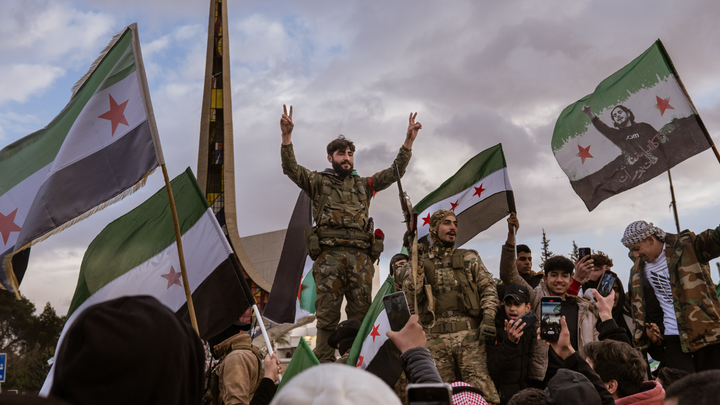
Trump initiated the countdown in July after confirming to Congress that Syria's government had “ceased supporting acts of international terrorism.”
It's a stunning turnaround for a leader whose group, Hayat Tahrir al-Sham (HTS), was itself once branded a terrorist organization by Washington.
Last year, the U.S. revoked HTS's designation as a Foreign Terrorist Organization and removed Sharaa personally from its list of Specially Designated Global Terrorists. On Monday, HTS was also scrubbed from the U.S. list of global terrorist organizations.
“NO LONGER ANY OBSTACLE”
Syrian Foreign Minister Asaad al-Shibani, speaking to Reuters on Saturday, didn't mince words about what the delisting means for Damascus.
“There is no longer any obstacle to investment, doing business and rebuilding economic life in Syria,” he said, calling the terror designation the “last obstacle” standing between Syria and the global financial system.
For a country whose economy has been strangled by more than a decade of war, sanctions and isolation, the delisting is nothing short of a lifeline.
WHAT'S GONE — AND WHAT STAYS
The delisting scraps a web of restrictions that had made Syria radioactive to investors: stringent export license requirements for dual-use goods, a ban on arms exports, the blocking of U.S. foreign aid, and Washington's obligation to oppose Syrian membership in international financial institutions.
It also strips away the sovereign-immunity shield that had exposed Syria to lawsuits in U.S. courts.
But not everything is wiped clean.
The Trump administration terminated comprehensive U.S. sanctions on Syria back in July 2025 — but kept targeted sanctions aimed squarely at Assad and his inner circle, human rights abusers, drug traffickers, Islamic State and al Qaeda affiliates, and Iranian proxies operating on Syrian soil.
Translation: the door to Damascus is open for business. But the old regime's cronies are still locked out in the cold.
THE BIGGER PLAY
The delisting is the clearest signal yet that Washington is betting big on Sharaa's new Syria — and trying to pull Damascus out of Iran's orbit and into the Western fold.
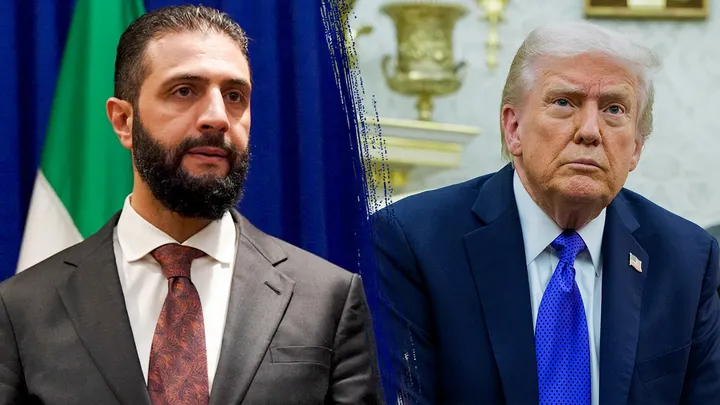
It's a high-stakes wager. Critics warn that Sharaa's Islamist roots and the chaos still gripping parts of Syria make the bet a dangerous one.
But in a Middle East being redrawn at breakneck speed — with Iran weakened, Assad gone, and a new government in Damascus hungry for Western cash — Trump has decided the upside is worth the risk.
Nearly 50 years on the blacklist. Wiped away with a stroke.
Whether Damascus uses its second chance to rebuild — or squanders it — is now the question the whole region is watching.