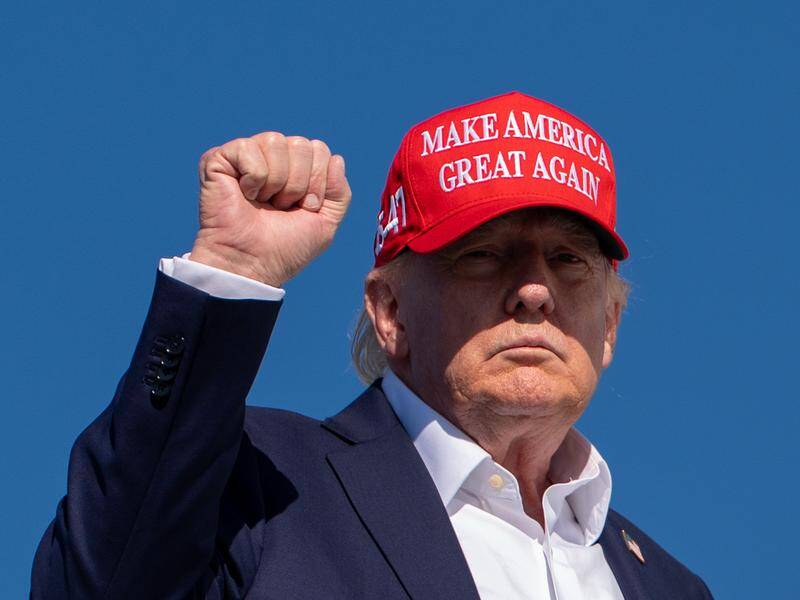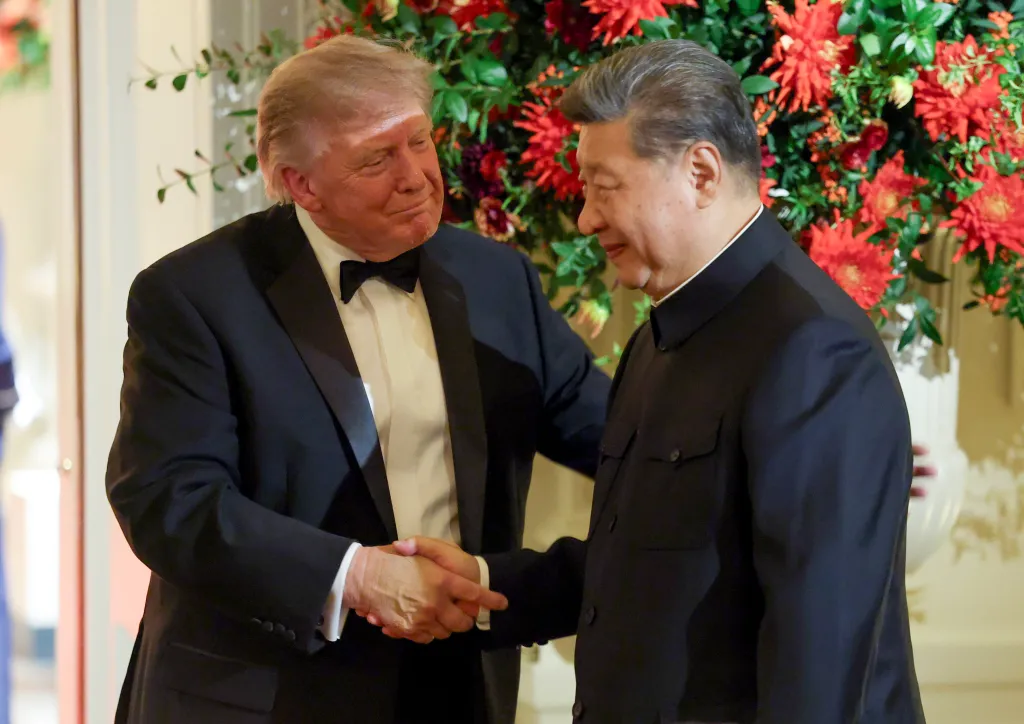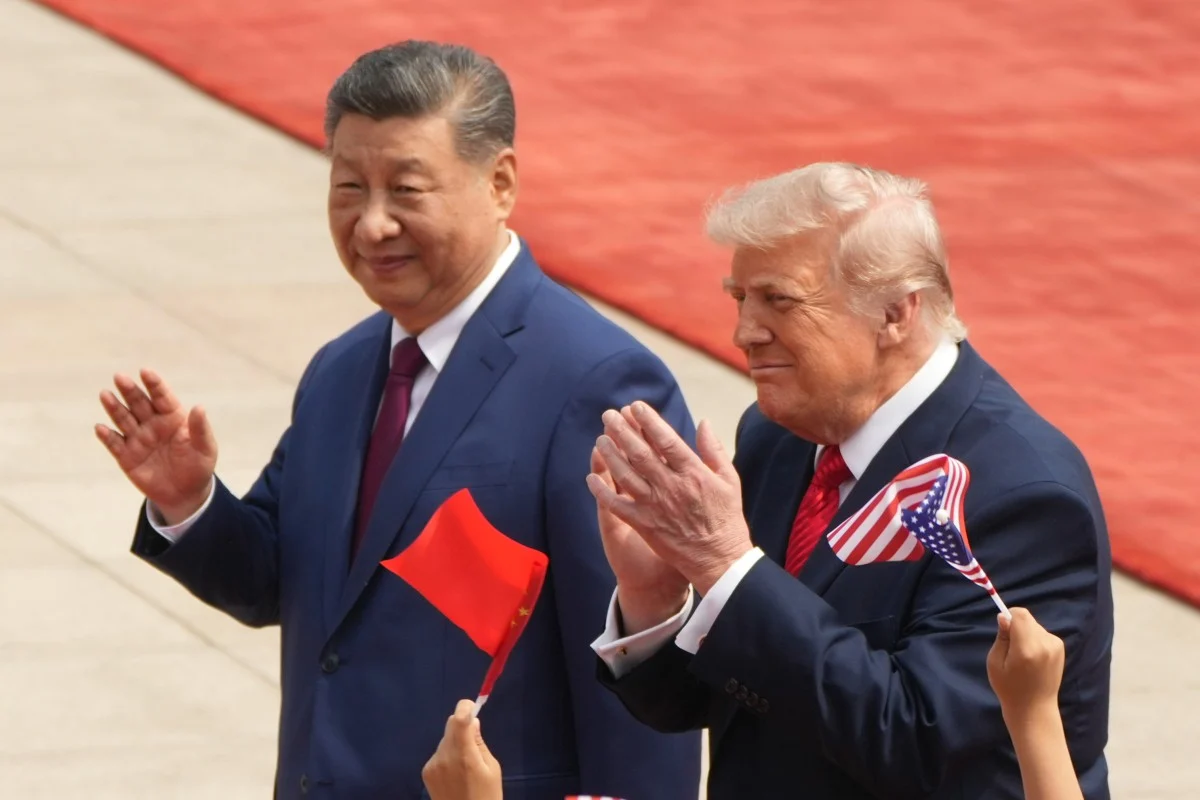
President Trump is set to break with decades of American diplomatic protocol next week by personally traveling to Joint Base Andrews to greet Chinese President Xi Jinping on the airfield tarmac — a rare move that signals just how high the stakes are for this summit.
The planned arrival ceremony at 4 p.m. EDT on Wednesday, Sept. 23, will kick off a high-stakes three-day state visit culminating in a White House summit and a formal state dinner the following evening.
A U.S. official confirmed the tarmac reception on background, telling reporters Trump will personally attend Xi's arrival at the Maryland airbase alongside a military honor guard.
It marks the first time in his second term that Trump has personally received a foreign leader at the airport.
Breaking the Rules of the Game
Here's the thing: American presidents almost never leave the White House to wait on an airport runway for a visiting head of state. That's just not how it works.
Under standard State Department protocol, foreign leaders landing at Joint Base Andrews are received by the U.S. Chief of Protocol, senior military leaders, the ambassador to the visiting nation, or occasionally a Cabinet official or the vice president.
The formal welcoming ceremony — complete with a 21-gun salute, color guard, and playing of national anthems — typically happens on the South Lawn of the White House.
When exceptions are made, they carry enormous diplomatic weight. President George W. Bush personally greeted Pope Benedict XVI at Andrews in 2008. President Barack Obama did the same for Pope Francis in 2015. Both were gestures of religious deference and ceremonial respect.
But for a peer competitor and strategic rival like China? A presidential airport greeting is virtually unprecedented in recent American foreign policy.
What Xi Gets: The Full Itinerary
The complete schedule for Xi's state visit reads like a masterclass in diplomatic choreography:
Wednesday, Sept. 23: Touchdown at Joint Base Andrews, where Trump will greet Xi on the tarmac alongside a military honor guard.
Thursday, Sept. 24: Bilateral summit talks in the Oval Office and Cabinet Room, focusing on global economic stability, trade policies, security in the Taiwan Strait, and energy corridors.
Thursday, Sept. 24 (evening): A formal White House State Dinner — only the second state dinner hosted by Trump in his second term, following the visit of Britain's King Charles III and Queen Camilla.
Friday, Sept. 25: Concluding high-level working sessions and departure.
The visit is expected to be opulent, coming after Xi rolled out the red carpet for Trump during his state visit to Beijing in May.
Why the Tarmac? It's All About 'Face'
In Chinese diplomacy, protocol is never an accident. Veteran diplomats and strategic experts point out that concepts of diplomatic prestige, formal respect, and "mianzi" — face — carry tremendous weight in Beijing's political apparatus.
The planned tarmac reception at Andrews is directly linked to the reception Trump received during his state visit to China earlier this year.
From May 13 to 15, Trump made a high-profile visit to Beijing — his first trip to China since returning to the White House. When Air Force One touched down at Beijing Capital International Airport, the Chinese leadership rolled out an upgraded welcome.
Beijing dispatched Vice President Han Zheng to meet Trump on the runway, accompanied by top foreign policy officials and ambassadors — a notable protocol upgrade compared to Trump's 2017 visit. The tarmac reception featured a full military band, an armed forces honor guard, a red carpet, and hundreds of local youths waving American flags.
Now Trump is returning the favor — and then some.
Trump Talks Up His Counterpart
Despite the deep tensions between Washington and Beijing, Trump has spoken highly of his Chinese counterpart, referring to Xi as a "great leader" and a "strong man."
That personal rapport could prove critical as the two leaders sit down to tackle a laundry list of thorny issues: trade, artificial intelligence, national security, the Taiwan Strait, and energy corridors.
The visit comes on the heels of the United Nations General Assembly meeting in New York, where world leaders are descending on the city. Trump is slated to address the body and hold meetings with counterparts on the sidelines. Xi, meanwhile, has opted to skip the event entirely — heading straight to Washington instead.
The Big Picture
The tarmac greeting is more than just a photo op. It's a calculated signal from both sides that despite the rivalry, the world's two most powerful leaders are willing to break the rules of the diplomatic playbook to keep the relationship on track.
Whether that goodwill survives the hard bargaining over trade, Taiwan, and technology remains to be seen. But for now, the optics are clear: Trump and Xi are putting on a show of mutual respect — and the world will be watching every handshake.